

The steps in pictures
Pump high and dry. Right looks like this: The pump on a shelf, somewhere dry and above the water line if you can.
Airline and check valve. Right looks like this: Airline from the pump to the sponge, the check valve’s arrow pointing toward the tank.
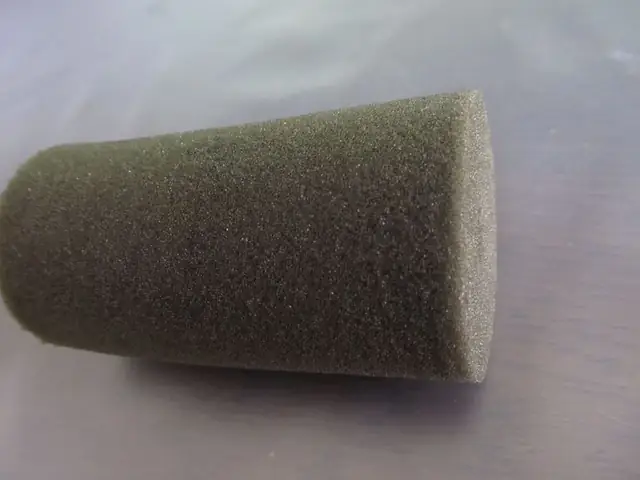
Sponge in, bubbles up. Right looks like this: A steady stream of bubbles up the lift tube.
Power off: no back-flow. Right looks like this: With the power off, the valve stops tank water running back down the airline to the pump.
The parts you need
Dry pumpSomewhere dry, above the water line if you can.
Airline and check valveThe valve’s arrow points toward the tank.
Sponge and lift tubeCheck the tube suits your water depth.
Aquarium Co-Op’s air-pump instructions say to run the pump above the tank’s water level so water cannot siphon back into it, and to use a check valve if the pump has to sit lower. To run two sponges from one pump, add a splitter with a control valve on each line.
The sponge does nothing without the pump, and pumps often come without tubing or a check valve, so price all of it together in the first-year cost calculator.
Is the pump strong enough?
An air pump pushes less air the deeper the outlet sits, because it pushes against the water above it, and long airline runs, valves and splitters take a little more. So compare the pump’s output at your water depth, where the maker gives it, with the sponge filters you want to run. A filter’s GPH rating says nothing about an air pump. A splitter does not share air evenly between two filters; a control valve on each branch lets you balance them.
Tetra rates each Whisper air pump for a tank size and publishes its air flow at the outlet: air pumps by tank size gives the smallest one for your tank and the next size up for a tall tank. Our air pump pages say when a maker gives no tank size or air flow.
Which sponge filter version you have
The Easy Flow fine Nano and Small have an air collar built in instead of a separate air stone, and the maker sets the top of the lift tube partly above the waterline. In a shallow tank the tube may need shortening: measure the depth first and cut once.
Other sponge filters are built differently, so check yours against your tank’s height and the room to lift it out.
Setting it up
- Put the pump somewhere dry, above the water line if you can, with a drip loop in its cord.
- Run the airline to the filter without pinching it under the lid, with the check valve’s arrow pointing toward the tank.
- Push the fittings on firmly, sink the sponge and squeeze the air out of it.
- Start low and turn the air up until the lift tube gives a steady stream of bubbles and the surface moves.
Bubbles show the filter is moving water, not that a new sponge holds bacteria yet: a new filter still has to cycle. If the flow weakens, look for kinks or loose fittings, check the valve’s direction, then rinse the sponge in tank water; on the Easy Flow, clean the collar too. Never open a pump while it is plugged in. Cycling a new tank
Battery backup
The single-outlet and dual-outlet Co-Op models run on their battery when the power fails. Charge them as their instructions say, then test one once: unplug it with the filter running and see how it switches over and how long it runs at your tank’s depth. The published runtime is for the maker’s conditions and a new battery.
A battery air pump keeps water moving and oxygen up, but it does not power a heater or a canister. Use the outage checklist for those.