
Festivum care
Mesonauta festivus · Paraná, Paraguay and southern Amazon river basins in Brazil, Peru, Paraguay and Bolivia
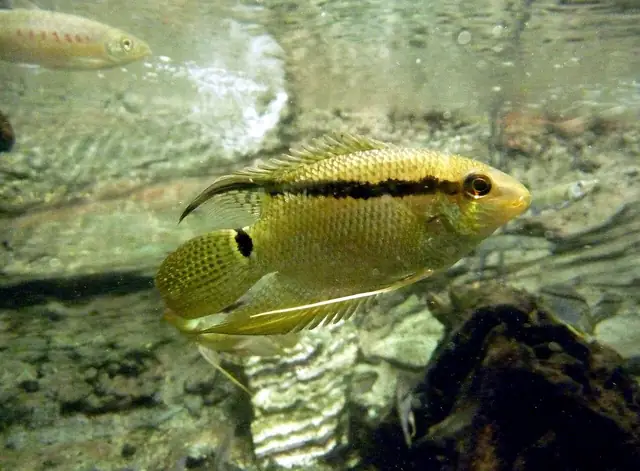
The festivum is a tall, flat South American cichlid with a black line running from its mouth up to the tip of its dorsal fin, like a flag on a pole.
- Tank size
- 55 US gal or larger
- Temperature
- 75 to 84 °F (24 to 29 °C)
- Group size
- Alone or in a pair
- Temperament
- Semi-aggressive
- Adult size
- 4.8 in (standard length, without the tail)
- pH
- 6 to 7.5
- Hardness (GH)
- 4 to 12 dGH
- Lifespan
- 8 to 10 years
- Diet
- Omnivore
- Care level
- Moderate
In a 55 gallon
48¼ × 12¾ × 21 in outsideHow to keep festivums
The festivum is a tall, flat South American cichlid with a black line running from its mouth up to the tip of its dorsal fin, like a flag on a pole. It is one of the milder cichlids: one or a pair suits a planted 55 gallon or larger tank with angelfish, larger tetras and corydoras, in soft to medium water at 75 to 84 °F. Fish sold as festivum are often one of its close relatives, as Wikipedia notes; they are kept the same way.
Diet: Omnivore: cichlid pellets, flakes, frozen foods and some vegetable food. Fish food types compared · how often to feed.
Where they swim: Middle of the tank.
Festivum tank mates
Share the temperature and water, and neither side eats, nips or bullies the other. Check the full group in the stocking checker.
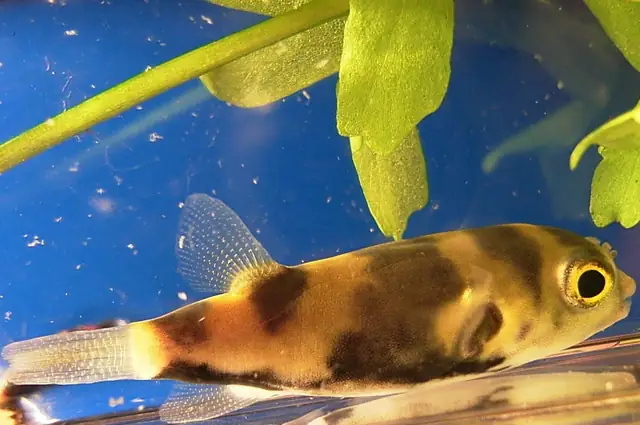
Amazon puffer
5 in · 29+ gal · 74–82 °F
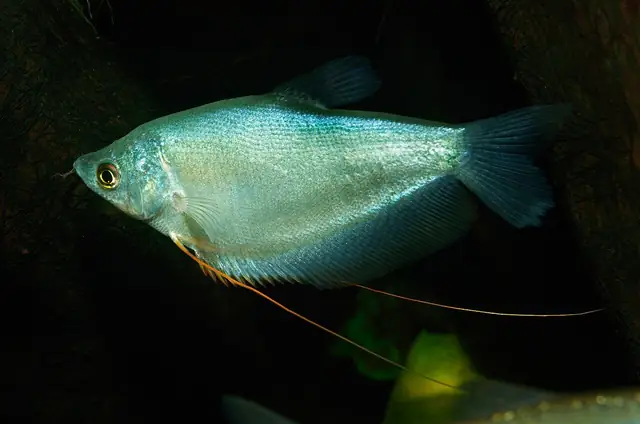
Moonlight gourami
5 in · 30+ gal · 77–84 °F
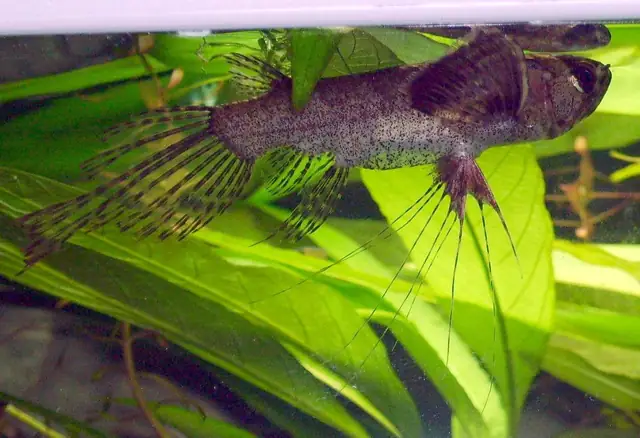
African butterflyfish
5 in · 30+ gal · 73–86 °F
DrawingSnowball pleco
5 in · 30+ gal · 77–84 °F
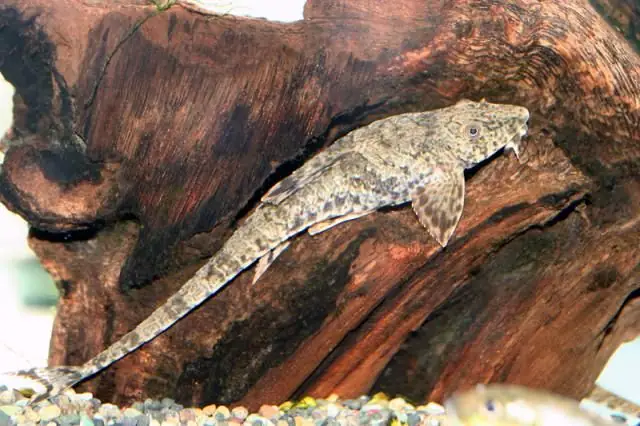
Red lizard whiptail catfish
5 in · 20+ gal · 72–79 °F
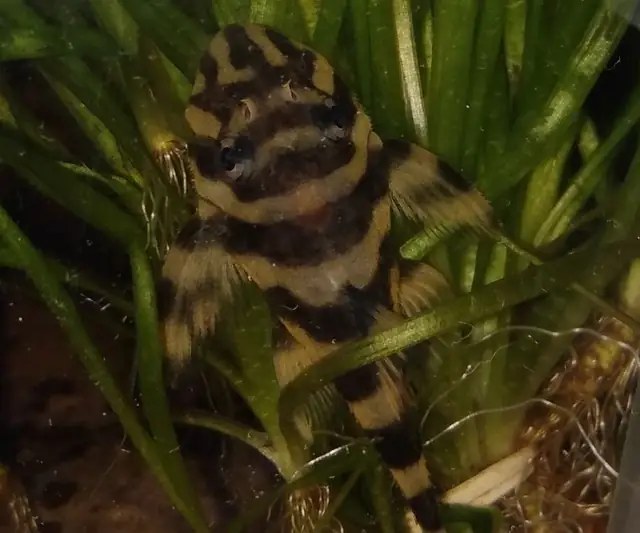
Butterfly pleco
5.1 in · 30+ gal · 77–84 °F
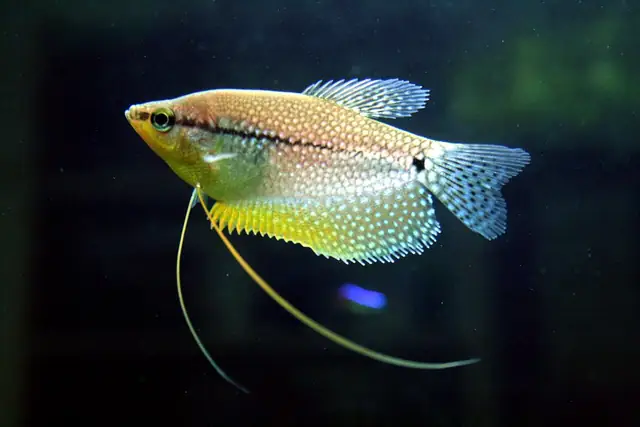
Pearl gourami
4.5 in · 29+ gal · 77–82 °F
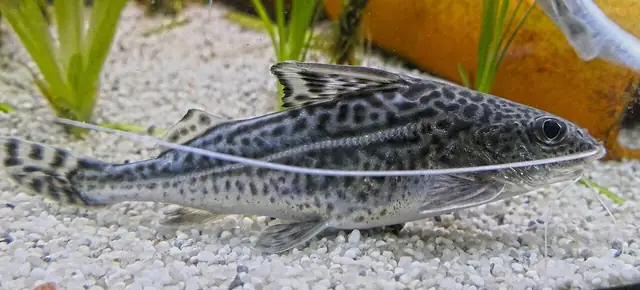
Pictus catfish
4.3 in · 55+ gal · 72–79 °F
Keep apart
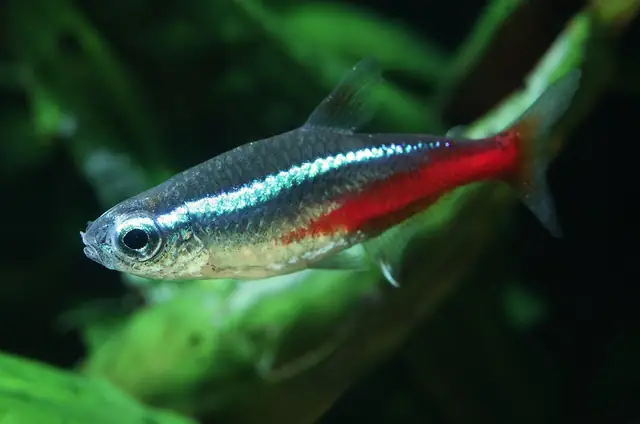 Neon tetra: Adult festivums eat fish under about 2 in; neon tetras grow to 1.6 in.
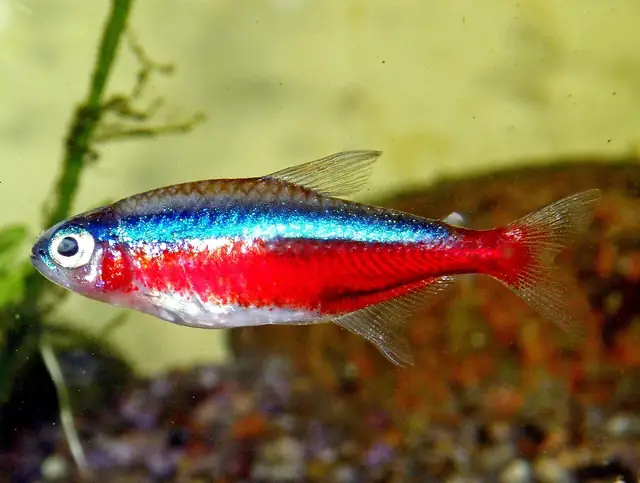 Cardinal tetra: Adult festivums eat fish under about 2 in; cardinal tetras grow to 1.2 in.
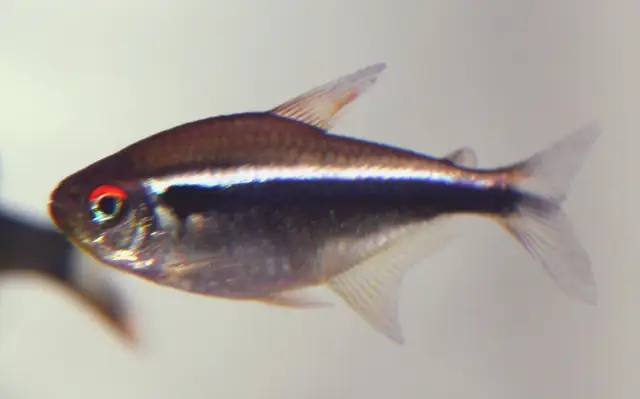 Black neon tetra: Adult festivums eat fish under about 2 in; black neon tetras grow to 1.5 in.
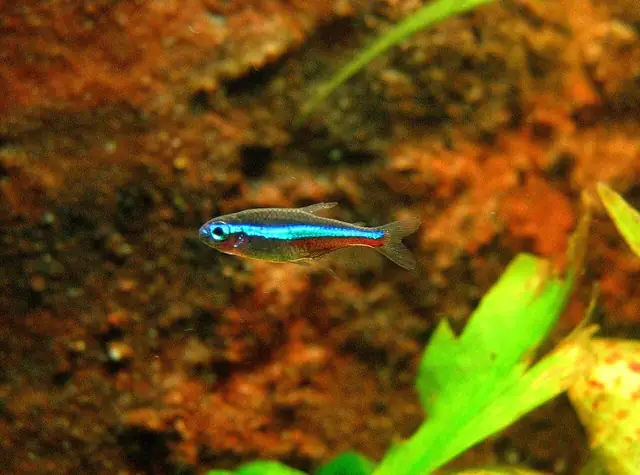 Green neon tetra: Adult festivums eat fish under about 2 in; green neon tetras grow to 1 in.
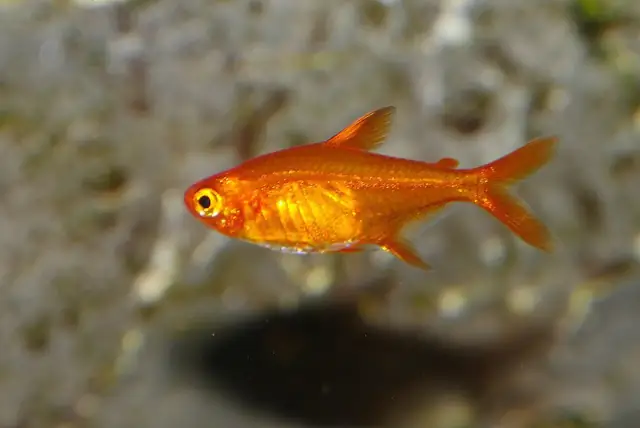 Ember tetra: Adult festivums eat fish under about 2 in; ember tetras grow to 1.2 in.
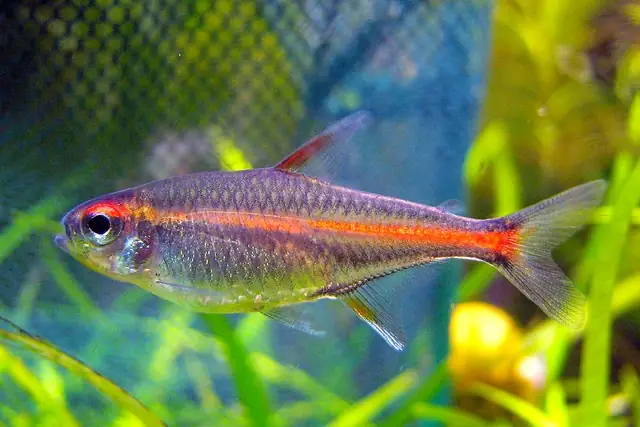 Glowlight tetra: Adult festivums eat fish under about 2 in; glowlight tetras grow to 1.5 in.
What a festivum tank needs
A tank of 55 US gallons or more (such as the 55 gallon) with a cover, and the equipment below.
As an Amazon Associate I earn from qualifying purchases.
Aqueon QuietFlow Canister Filter 200
Rated by the maker for up to 55 US gal, which covers a 55 gallon festivum tank without being built for a far bigger one.
Seachem Tidal 55
Rated by the maker for up to 55 US gal, which covers a 55 gallon festivum tank without being built for a far bigger one.
Aqueon Pro 150
Festivums need 75 to 84 °F; most homes run cooler, so a heater holds the temperature.
API Freshwater Master Test Kit
Tests ammonia, nitrite, nitrate and pH, the readings that matter most before and after adding festivums.
Seachem Prime 100 mL
Removes chlorine and chloramine from tap water at every water change.
Fluval Edge Thermometer
Shows the water temperature at a glance, so you know it stays within 75 to 84 °F.
More choices, each with the reason it is in or out: Filters for a 55 gallon tank · Heaters for a 55 gallon tank. We don’t list fish food: any good brand of the foods under Diet will do. Plan the whole tank's equipment →
Common festivum problems
- Neon tetras and other tiny fish are eaten once it is grown.
- Shy when new: floating plants and tall stems help it settle and come out to feed.
- A breeding pair guards its eggs on a leaf or flat stone and chases tankmates off.
Test the water first whenever fish look unwell: see what your readings mean, then match the symptom. For disease, a vet who treats fish can diagnose it and advise treatment.
More to compare
Sources
Name, origin and adult size checked against Wikipedia: Mesonauta festivus. Temperature, pH, hardness, group size, lifespan and minimum tank size are common hobby guidance, not figures from that article. Ranges are the range the species tolerates; aim for the middle. Minimum tank sizes are for an adult group. Drawings are our own; photo credits follow.
Photo credits
Real photographs from Wikimedia Commons, resized and cropped to fit; each is used under the license named.
- Festivum Citron, CC BY-SA 3.0, via Wikimedia Commons
- Amazon puffer O. Schneider, CC BY-SA 3.0, via Wikimedia Commons
- Moonlight gourami H. Zell, CC BY-SA 3.0, via Wikimedia Commons
- African butterflyfish Toniher, CC BY-SA 3.0, via Wikimedia Commons
- Red lizard whiptail catfish Ckf6412, CC BY-SA 4.0, via Wikimedia Commons
- Butterfly pleco Alberto Alcalá (iNaturalist), CC BY 4.0, via Wikimedia Commons
- Pearl gourami h080, CC BY-SA 2.0, via Wikimedia Commons
- Pictus catfish 5snake5, CC0, via Wikimedia Commons
- Neon tetra Holger Krisp, CC BY 3.0, via Wikimedia Commons
- Cardinal tetra CHUCAO, CC BY-SA 3.0, via Wikimedia Commons
- Black neon tetra Debivort, CC BY-SA 3.0, via Wikimedia Commons
- Green neon tetra Sascha Biedermann, CC BY-SA 2.5, via Wikimedia Commons
- Ember tetra Klaus Rudloff, CC BY-SA 4.0, via Wikimedia Commons
- Glowlight tetra gonzalovalenzuela; cropped by Kyknos, CC BY 2.0, via Wikimedia Commons
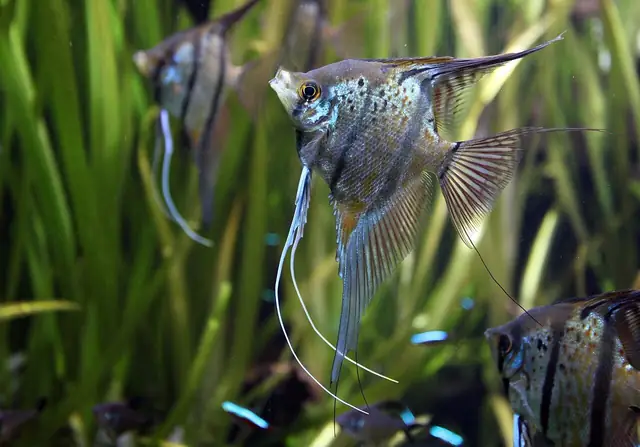
- Angelfish Citron, CC BY-SA 3.0, via Wikimedia Commons
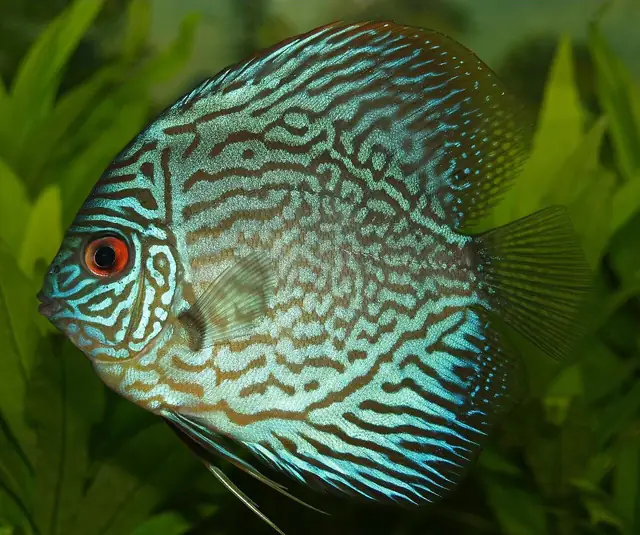
- Discus Patrick Farrelly, Public domain, via Wikimedia Commons
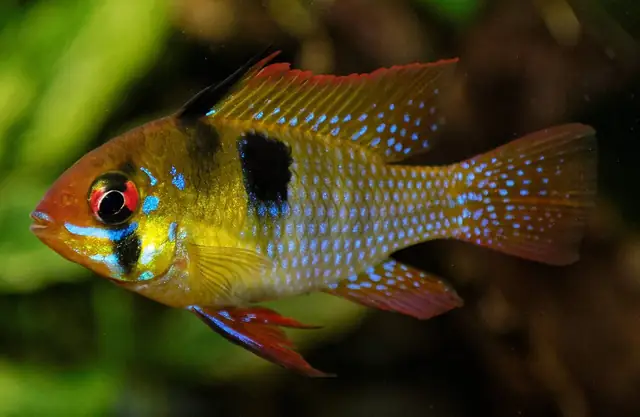
- German blue ram Eric Mengel, Public domain, via Wikimedia Commons
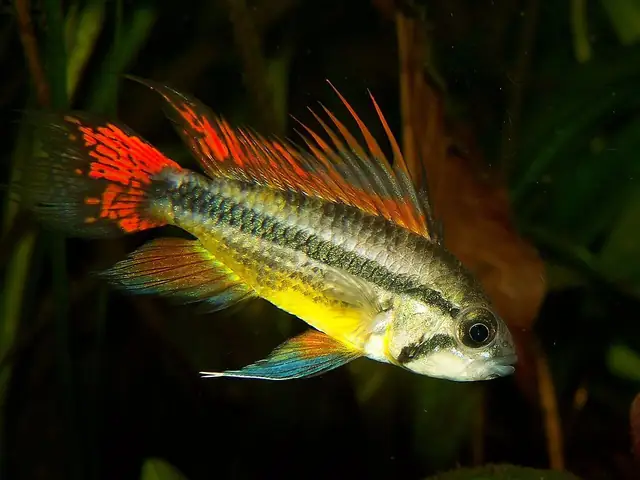
- Cockatoo dwarf cichlid William Kreijkes, CC BY-SA 3.0, via Wikimedia Commons


