
Candy-striped pleco care
Peckoltia vittata · Amazon basin: the Amazon, Tapajós, Madeira, Xingu and other rivers
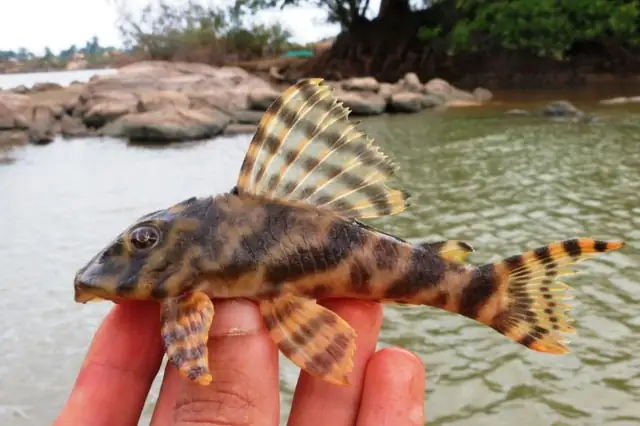
The candy-striped pleco (L015), also sold as the tiger pleco, grows to about 6 inches with dark bands on a tan body.
- Tank size
- 30 US gal or larger
- Temperature
- 72 to 79 °F (22 to 26 °C)
- Group size
- Alone or in a pair
- Temperament
- Peaceful
- Adult size
- 5.9 in
- pH
- 6 to 7
- Hardness (GH)
- 2 to 10 dGH
- Lifespan
- 8 to 12 years
- Diet
- Omnivore
- Care level
- Moderate
In a 30 gallon
36¼ × 12⅝ × 16¾ in outsideHow to keep candy-striped plecos
The candy-striped pleco (L015), also sold as the tiger pleco, grows to about 6 inches with dark bands on a tan body. It comes out mostly at night and grazes algae on rocks; give it a 30 gallon or larger tank with soft water at 72 to 79 °F, driftwood and caves, and feed wafers after the lights go off.
Diet: Omnivore: algae, algae wafers, vegetables, sinking pellets and frozen foods. Fish food types compared · how often to feed.
Where they swim: Bottom of the tank.
Candy-striped pleco tank mates
Share the temperature and water, and neither side eats, nips or bullies the other. Check the full group in the stocking checker.
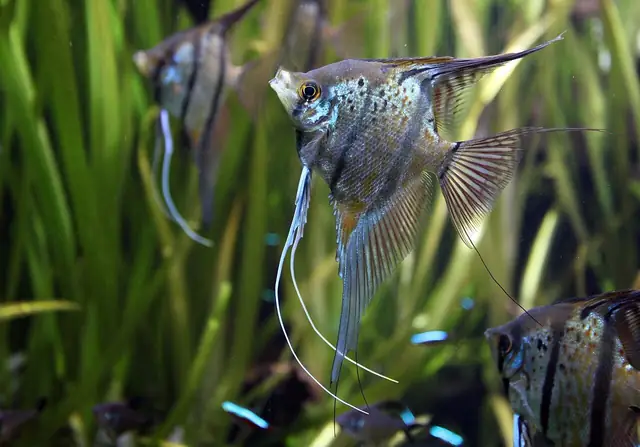
Angelfish
6 in · 29+ gal · 76–84 °F
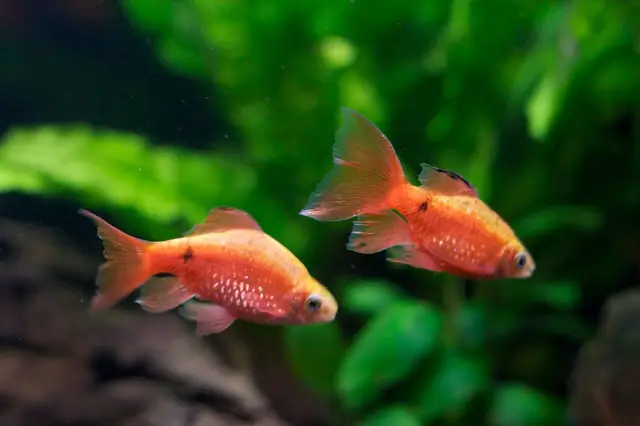
Rosy barb
6 in · 29+ gal · 64–77 °F
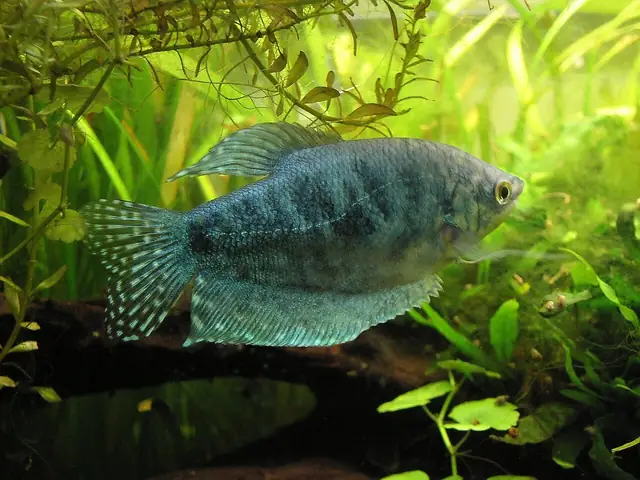
Three-spot (blue) gourami
6 in · 29+ gal · 72–82 °F
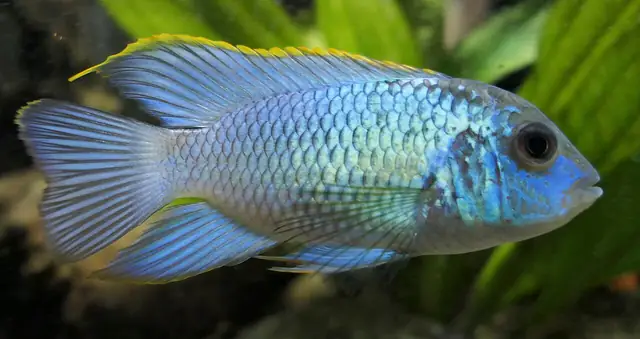
Electric blue acara
6 in · 40+ gal · 72–82 °F
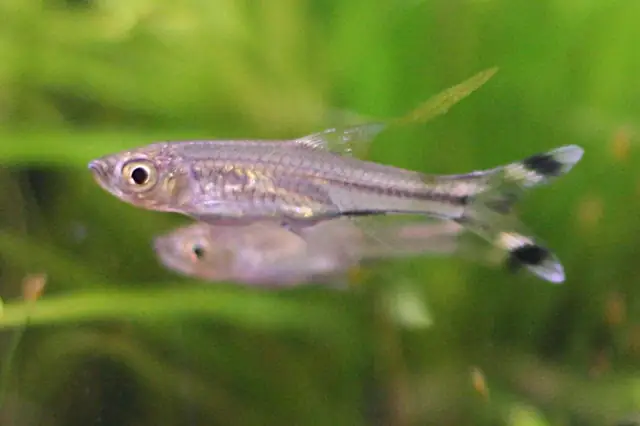
Scissortail rasbora
6 in · 40+ gal · 72–79 °F
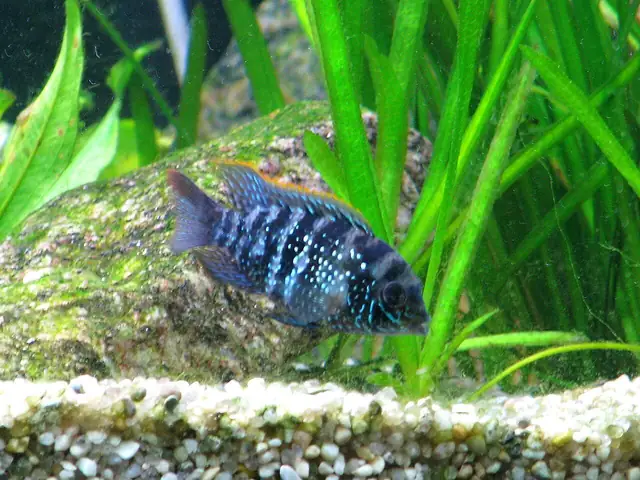
Blue acara
6 in · 40+ gal · 72–82 °F
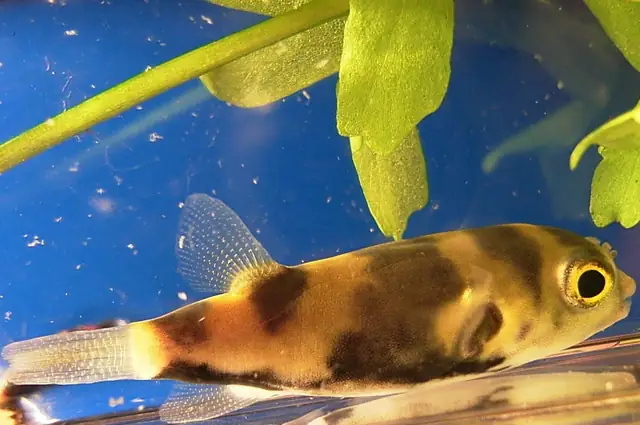
Amazon puffer
5 in · 29+ gal · 74–82 °F
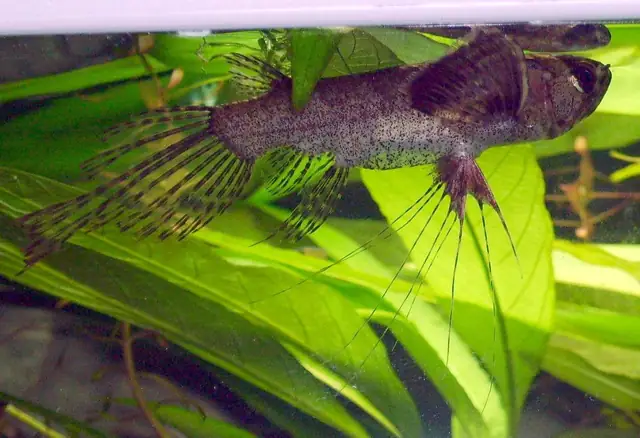
African butterflyfish
5 in · 30+ gal · 73–86 °F
Keep apart
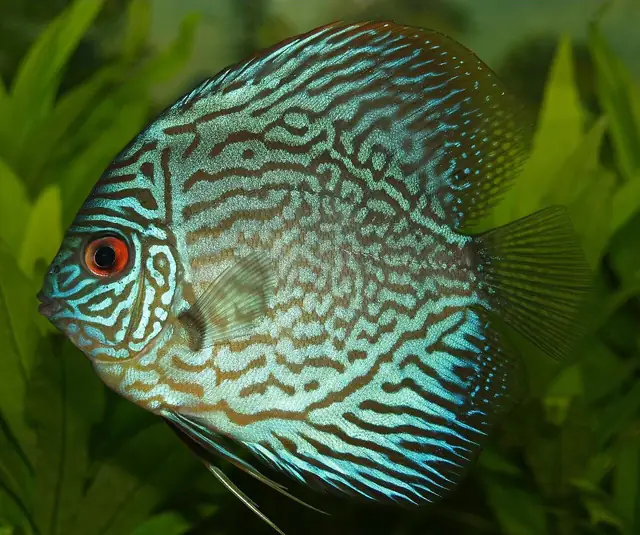 Discus: No shared temperature: candy-striped plecos need 72 to 79 °F, discus 82 to 88 °F.
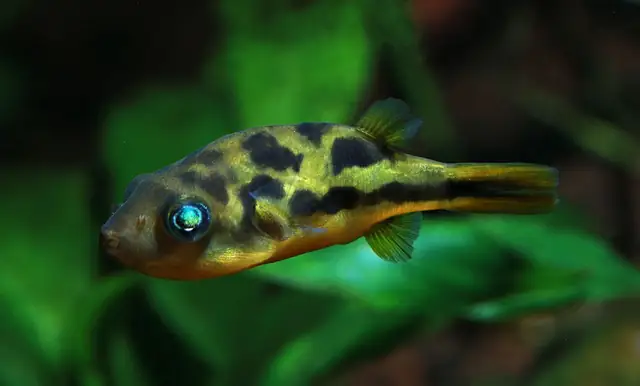 Pea puffer: Pea puffers belong in a tank of their own.
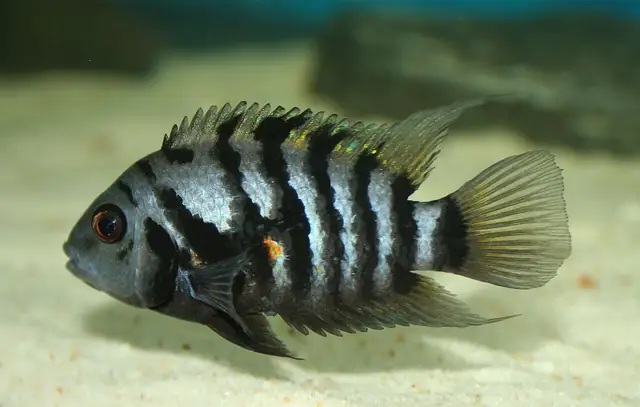 Convict cichlid: Convict cichlids are aggressive towards peaceful fish such as candy-striped plecos.
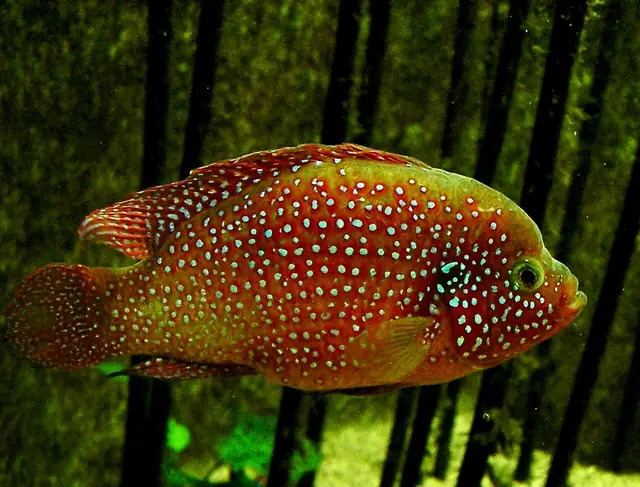 Jewel cichlid: Jewel cichlids are aggressive towards peaceful fish such as candy-striped plecos.
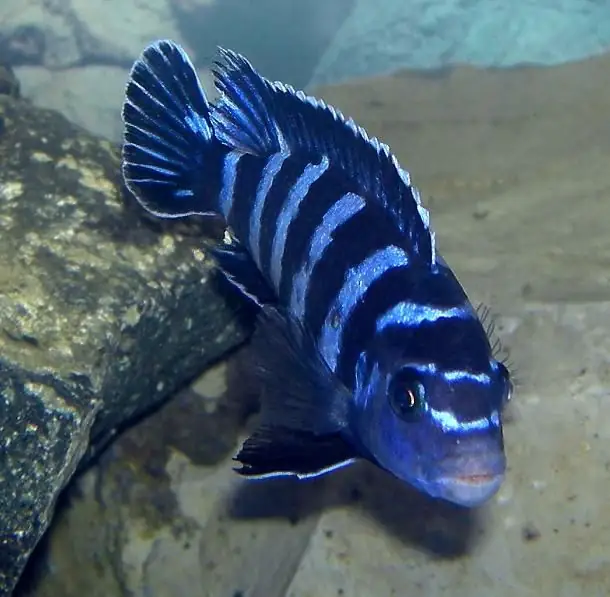 Demasoni cichlid: Demasoni cichlids are aggressive towards peaceful fish such as candy-striped plecos.
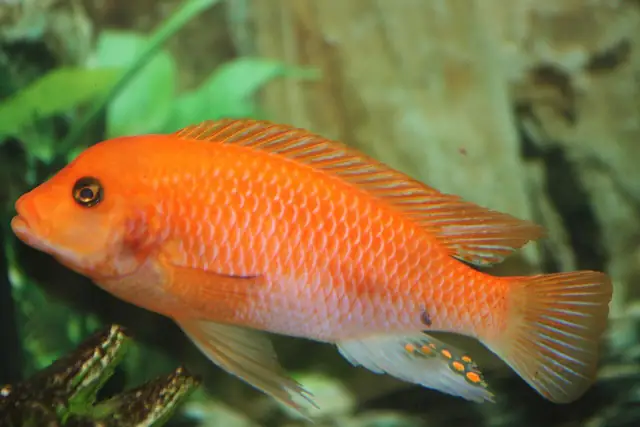 Red zebra cichlid: Red zebra cichlids are aggressive towards peaceful fish such as candy-striped plecos.
What a candy-striped pleco tank needs
A tank of 30 US gallons or more (such as the 30 gallon) with a cover, and the equipment below.
As an Amazon Associate I earn from qualifying purchases.
Aqueon PRO QuietFlow Power Filter 20
Rated by the maker for up to 30 US gal, which covers a 30 gallon candy-striped pleco tank without being built for a far bigger one.
Aqueon QuietFlow Internal Power Filter 15–30 gal
Rated by the maker for 15–30 US gal, which covers a 30 gallon candy-striped pleco tank without being built for a far bigger one.
Fluval E100
Candy-striped plecos need 72 to 79 °F; most homes run cooler, so a heater holds the temperature.
API Freshwater Master Test Kit
Tests ammonia, nitrite, nitrate and pH, the readings that matter most before and after adding candy-striped plecos.
Seachem Prime 100 mL
Removes chlorine and chloramine from tap water at every water change.
Fluval Edge Thermometer
Shows the water temperature at a glance, so you know it stays within 72 to 79 °F.
We don’t list fish food: any good brand of the foods under Diet will do. Plan the whole tank's equipment →
Common candy-striped pleco problems
- Often confused with the clown pleco, which needs driftwood in its diet; check the name on the tank before you buy.
- Shy by day; feed after lights out so it gets its share.
Test the water first whenever fish look unwell: see what your readings mean, then match the symptom. For disease, a vet who treats fish can diagnose it and advise treatment.
More to compare
Sources
Name, origin and adult size checked against Wikipedia: Peckoltia vittata. Temperature, pH, hardness, group size, lifespan and minimum tank size are common hobby guidance, not figures from that article. Ranges are the range the species tolerates; aim for the middle. Minimum tank sizes are for an adult group. Drawings are our own; photo credits follow.
Photo credits
Real photographs from Wikimedia Commons, resized and cropped to fit; each is used under the license named.
- Candy-striped pleco Gabriel Lelis Togni, CC BY 3.0, via Wikimedia Commons
- Angelfish Citron, CC BY-SA 3.0, via Wikimedia Commons
- Rosy barb Kkonstan, CC BY 3.0, via Wikimedia Commons
- Three-spot (blue) gourami Peter Jung, CC BY-SA 3.0, via Wikimedia Commons
- Electric blue acara 5snake5, CC0, via Wikimedia Commons
- Scissortail rasbora Lerdsuwa, CC BY-SA 3.0, via Wikimedia Commons
- Blue acara Loïc Tremblay, CC BY-SA 3.0, via Wikimedia Commons
- Amazon puffer O. Schneider, CC BY-SA 3.0, via Wikimedia Commons
- African butterflyfish Toniher, CC BY-SA 3.0, via Wikimedia Commons
- Discus Patrick Farrelly, Public domain, via Wikimedia Commons
- Pea puffer Beta Mahatvaraj, CC BY-SA 4.0, via Wikimedia Commons
- Convict cichlid S. Olkowicz, CC BY 2.5, via Wikimedia Commons
- Jewel cichlid NasserHalaweh, CC BY-SA 4.0, via Wikimedia Commons
- Demasoni cichlid lee Nachtigal, CC BY 2.0, via Wikimedia Commons
- Red zebra cichlid Maha Dinesh, CC BY-SA 3.0, via Wikimedia Commons
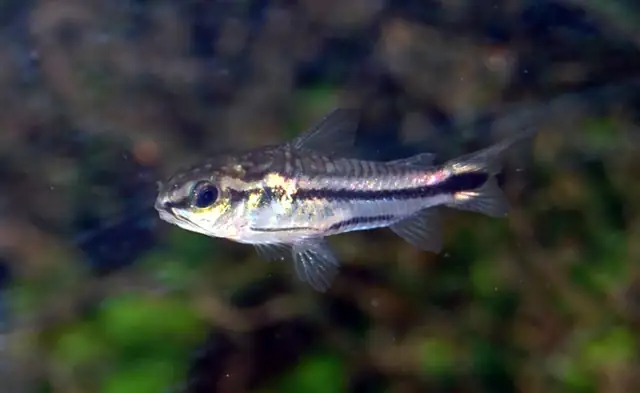
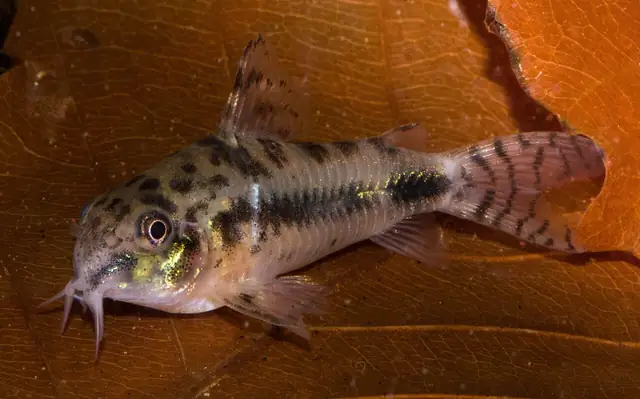
- Pygmy corydoras Birger A, CC BY-SA 3.0, via Wikimedia Commons
- Salt-and-pepper corydoras D.W., CC0, via Wikimedia Commons
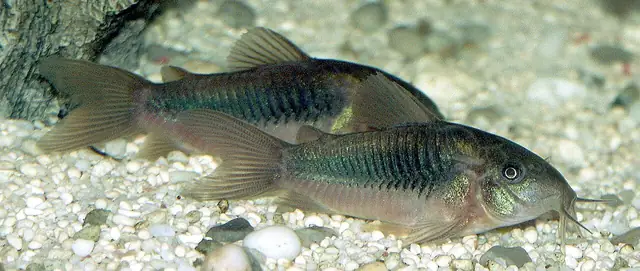
- Bronze corydoras Quatermass (English Wikipedia), Public domain, via Wikimedia Commons
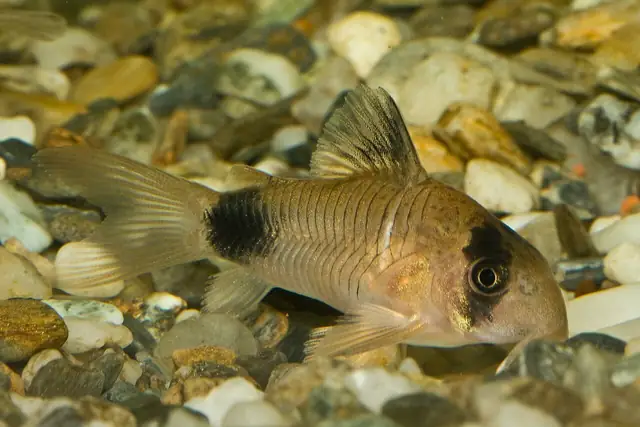
- Panda corydoras Chronotopian, CC BY-SA 3.0, via Wikimedia Commons


