
Emerald corydoras care
Brochis splendens · Upper Amazon basin
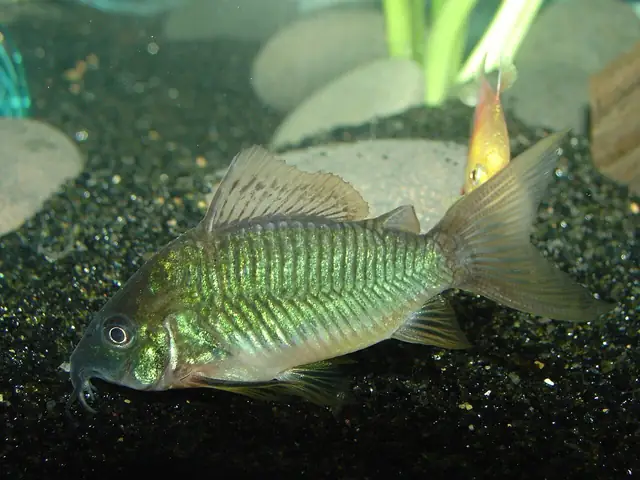
Emerald corydoras are large, metallic green relatives of the corydoras, and just as easygoing.
- Tank size
- 29 US gal or larger
- Temperature
- 72 to 82 °F (22 to 28 °C)
- Group size
- 6 or more
- Temperament
- Peaceful
- Adult size
- 3 in
- pH
- 5.8 to 8
- Hardness (GH)
- 2 to 25 dGH
- Lifespan
- 8 to 10 years
- Diet
- Omnivore
- Care level
- Easy
In a 29 gallon
30¼ × 12½ × 18¾ in outsideHow to keep emerald corydoras
Emerald corydoras are large, metallic green relatives of the corydoras, and just as easygoing. Keep six or more in a 29 gallon or larger tank with sand at 72 to 82 °F, and feed sinking food where they can find it.
Diet: Omnivore: sinking pellets and wafers, frozen bloodworm. Fish food types compared · how often to feed.
Where they swim: Bottom of the tank.
Emerald corydoras tank mates
Share the temperature and water, and neither side eats, nips or bullies the other. Check the full group in the stocking checker.
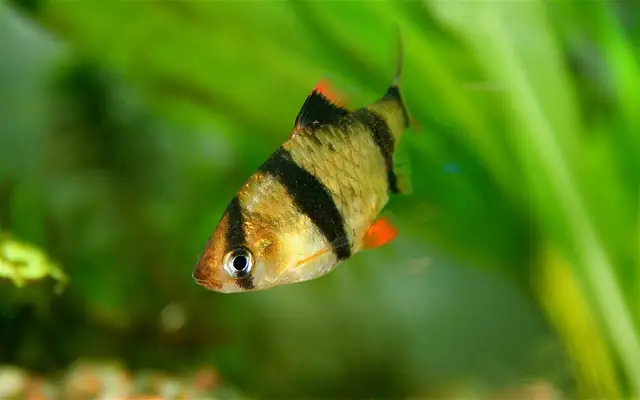
Tiger barb
3 in · 29+ gal · 74–80 °F
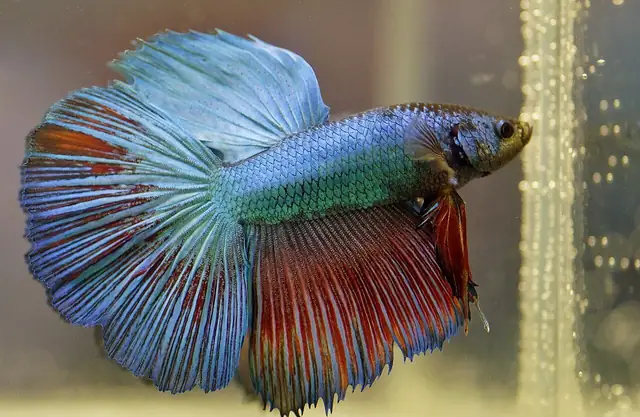
Betta
3 in · 5+ gal · 76–82 °F
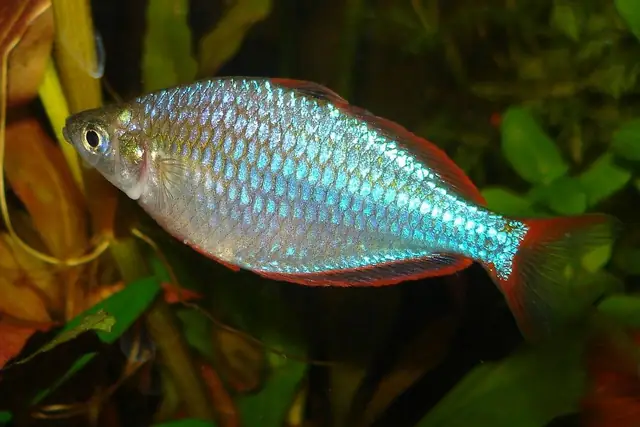
Dwarf neon rainbowfish
3 in · 29+ gal · 75–81 °F
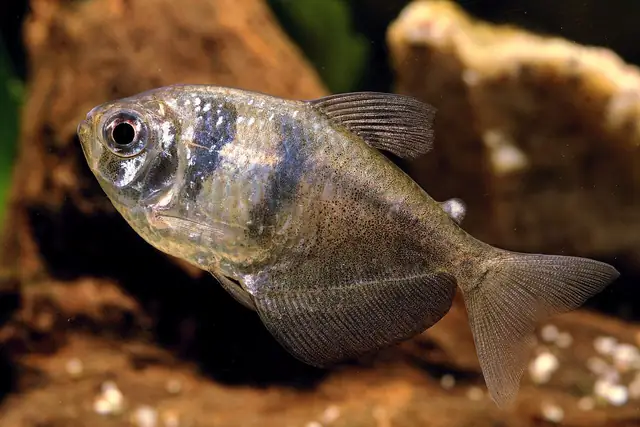
Black skirt tetra
3 in · 20+ gal · 72–82 °F
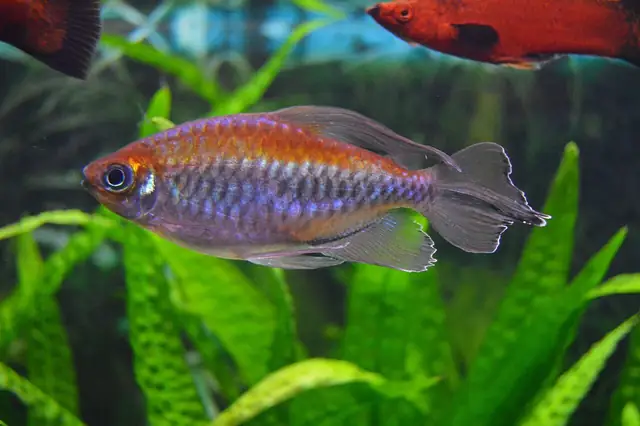
Congo tetra
3 in · 29+ gal · 73–81 °F
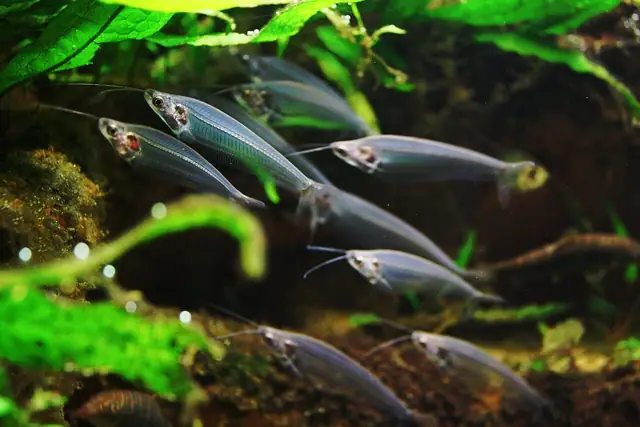
Glass catfish
3 in · 29+ gal · 75–82 °F
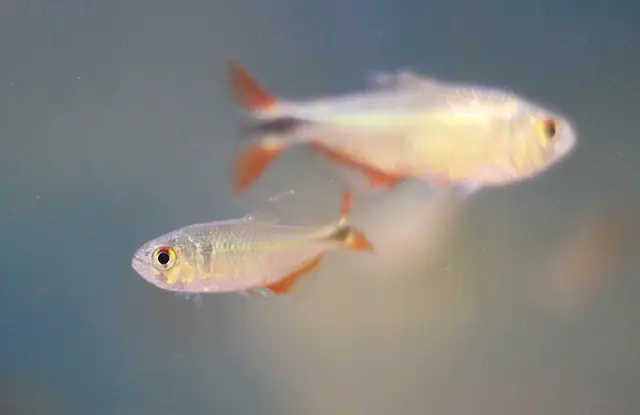
Buenos Aires tetra
3 in · 29+ gal · 64–82 °F
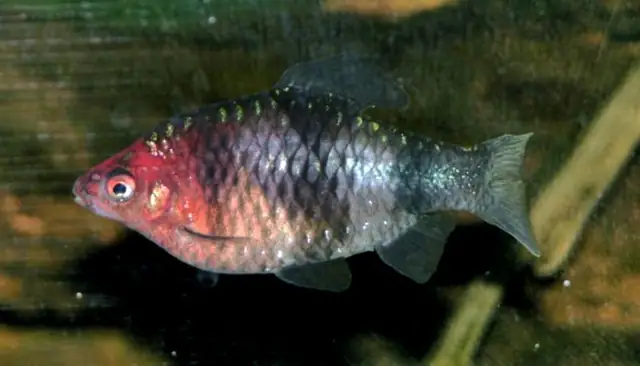
Black ruby barb
3 in · 29+ gal · 72–79 °F
Keep apart
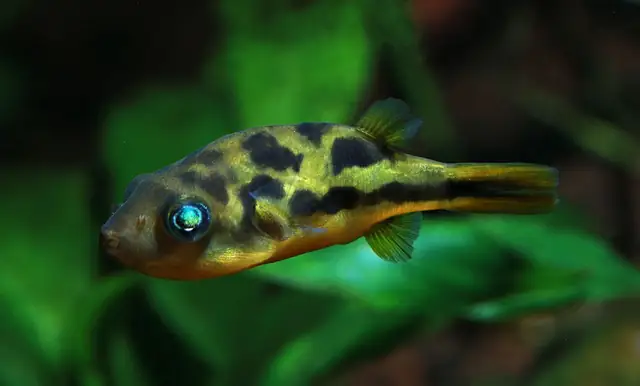 Pea puffer: Pea puffers belong in a tank of their own.
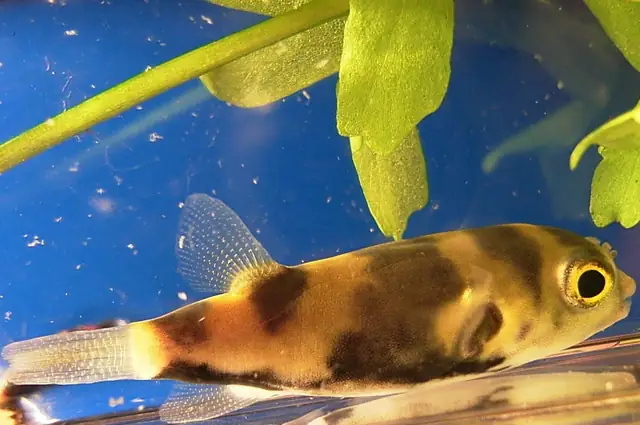 Amazon puffer: Amazon puffers nip slow fish such as emerald corydoras.
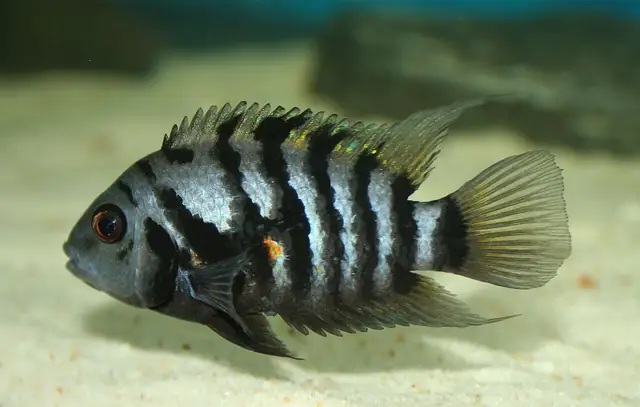 Convict cichlid: Convict cichlids are aggressive towards peaceful fish such as emerald corydoras.
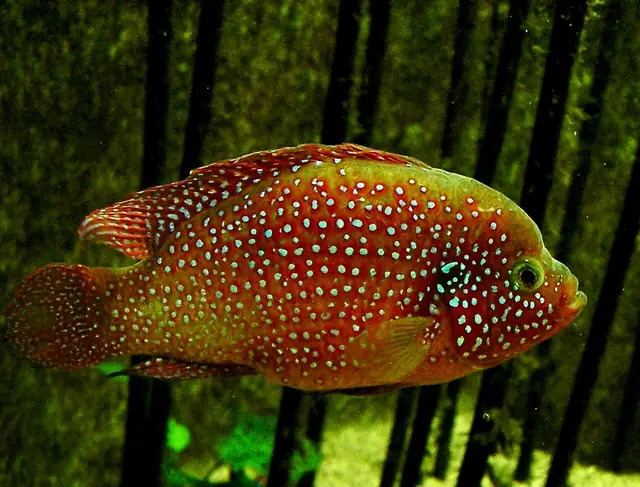 Jewel cichlid: Jewel cichlids are aggressive towards peaceful fish such as emerald corydoras.
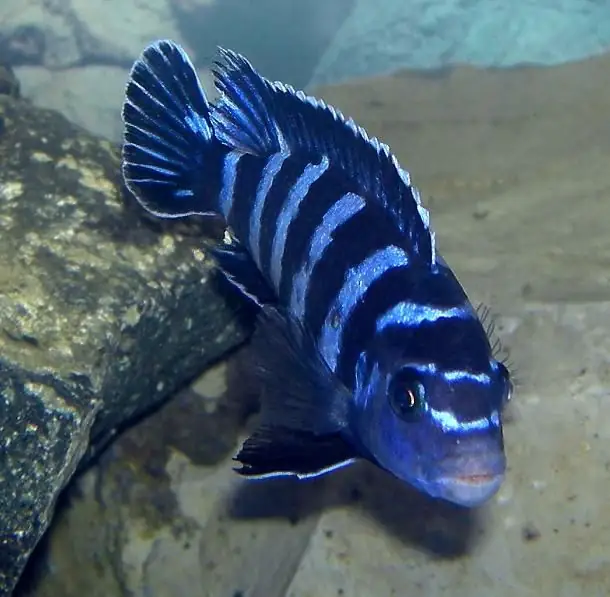 Demasoni cichlid: Demasoni cichlids are aggressive towards peaceful fish such as emerald corydoras.
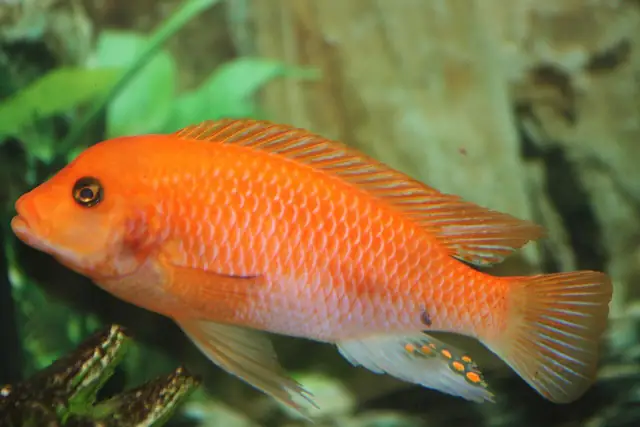 Red zebra cichlid: Red zebra cichlids are aggressive towards peaceful fish such as emerald corydoras.
What an emerald corydoras tank needs
A tank of 29 US gallons or more (such as the 29 gallon) with a cover, and the equipment below.
As an Amazon Associate I earn from qualifying purchases.
Aqueon PRO QuietFlow Power Filter 20
Rated by the maker for up to 30 US gal, which covers a 29 gallon emerald corydoras tank without being built for a far bigger one.
Aqueon QuietFlow Internal Power Filter 15–30 gal
Rated by the maker for 15–30 US gal, which covers a 29 gallon emerald corydoras tank without being built for a far bigger one.
Cobalt Aquatics Neo-Therm Pro 100W
Emerald corydoras need 72 to 82 °F; most homes run cooler, so a heater holds the temperature.
API Freshwater Master Test Kit
Tests ammonia, nitrite, nitrate and pH, the readings that matter most before and after adding emerald corydoras.
Seachem Prime 100 mL
Removes chlorine and chloramine from tap water at every water change.
Fluval Edge Thermometer
Shows the water temperature at a glance, so you know it stays within 72 to 82 °F.
More choices, each with the reason it is in or out: Filters for a 29 gallon tank · Heaters for a 29 gallon tank. We don’t list fish food: any good brand of the foods under Diet will do. Plan the whole tank's equipment →
Common emerald corydoras problems
- Sharp gravel wears down their barbels; use sand or smooth gravel.
- They need food that reaches the bottom; flakes eaten at the top leave them hungry.
Test the water first whenever fish look unwell: see what your readings mean, then match the symptom. For disease, a vet who treats fish can diagnose it and advise treatment.
More to compare
Sources
Name, origin and adult size checked against Wikipedia: Brochis splendens. Temperature, pH, hardness, group size, lifespan and minimum tank size are common hobby guidance, not figures from that article. Ranges are the range the species tolerates; aim for the middle. Minimum tank sizes are for an adult group. Drawings are our own; photo credits follow.
Photo credits
Real photographs from Wikimedia Commons, resized and cropped to fit; each is used under the license named.
- Emerald corydoras NonstickRon, CC BY-SA 2.0, via Wikimedia Commons
- Tiger barb Faucon, CC BY-SA 2.5, via Wikimedia Commons
- Betta ivabalk (Pixabay), CC0, via Wikimedia Commons
- Dwarf neon rainbowfish Leo-nie-weh-oh; cropped by Der Regenbogenfisch, Public domain, via Wikimedia Commons
- Black skirt tetra emptyvi, CC BY-SA 3.0, via Wikimedia Commons
- Congo tetra 7TP (Krzysztof Bartosik), CC BY-SA 4.0, via Wikimedia Commons
- Glass catfish Martin Fisch, CC BY-SA 2.0, via Wikimedia Commons
- Buenos Aires tetra Øyvind Holmstad, CC BY-SA 3.0, via Wikimedia Commons
- Black ruby barb Derek Ramsey (Ram-Man), CC BY-SA 2.5, via Wikimedia Commons
- Pea puffer Beta Mahatvaraj, CC BY-SA 4.0, via Wikimedia Commons
- Amazon puffer O. Schneider, CC BY-SA 3.0, via Wikimedia Commons
- Convict cichlid S. Olkowicz, CC BY 2.5, via Wikimedia Commons
- Jewel cichlid NasserHalaweh, CC BY-SA 4.0, via Wikimedia Commons
- Demasoni cichlid lee Nachtigal, CC BY 2.0, via Wikimedia Commons
- Red zebra cichlid Maha Dinesh, CC BY-SA 3.0, via Wikimedia Commons
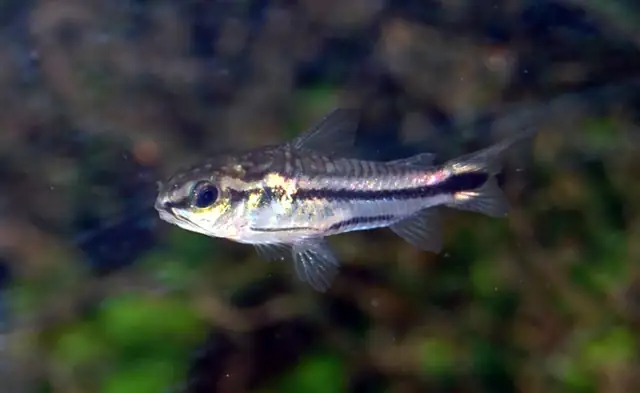
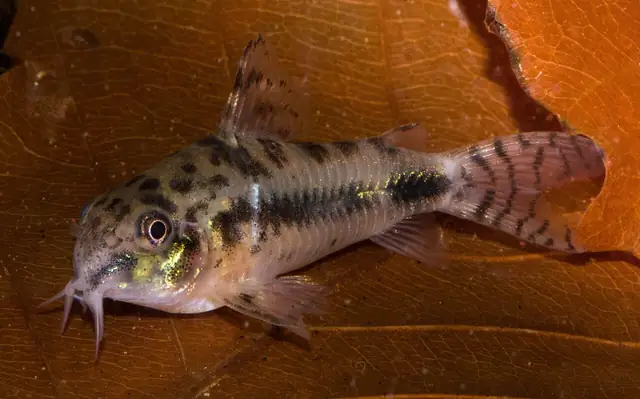
- Pygmy corydoras Birger A, CC BY-SA 3.0, via Wikimedia Commons
- Salt-and-pepper corydoras D.W., CC0, via Wikimedia Commons
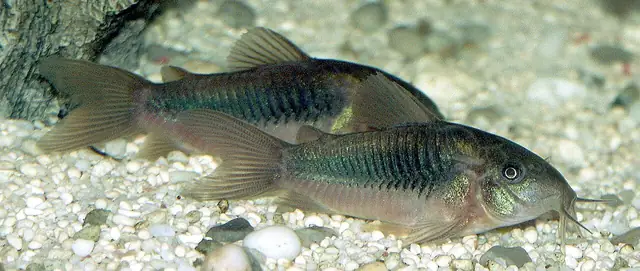
- Bronze corydoras Quatermass (English Wikipedia), Public domain, via Wikimedia Commons
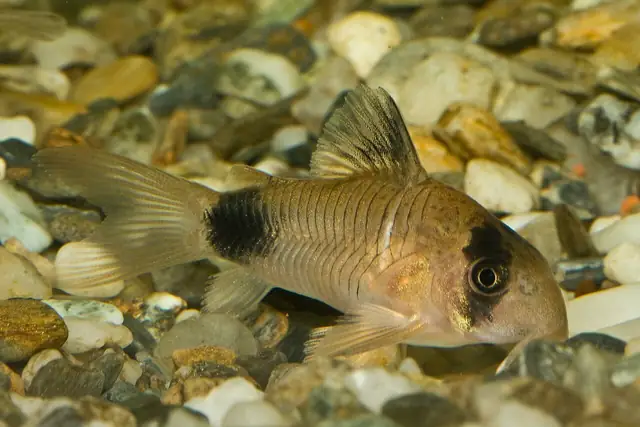
- Panda corydoras Chronotopian, CC BY-SA 3.0, via Wikimedia Commons


