
Kubotai loach care
Botia kubotai · Salween River basin, Myanmar and western Thailand
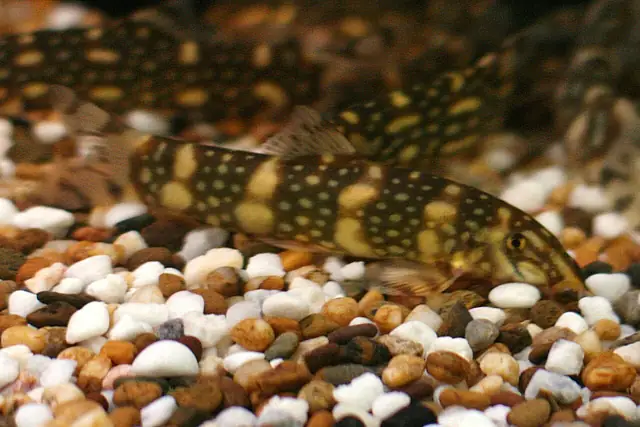
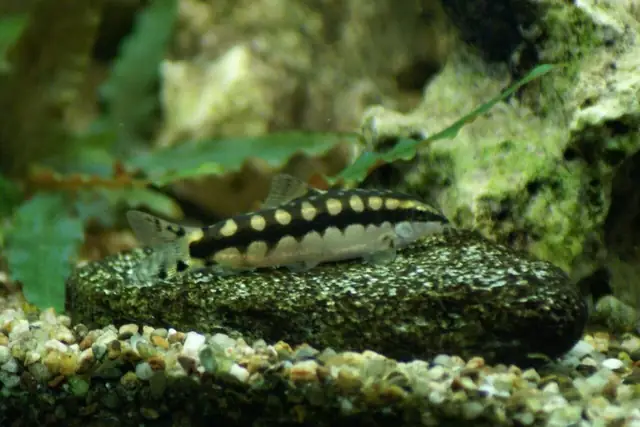
The kubotai loach is a gold-and-black loach first collected in 2002 on the Myanmar and Thai border; its pattern changes as it grows, from bands on young fish to gold ovals on adults.
- Tank size
- 40 US gal or larger
- Temperature
- 77 to 86 °F (25 to 30 °C)
- Group size
- 5 or more
- Temperament
- Peaceful
- Adult size
- 5.9 in (most stay near 4 in)
- pH
- 6 to 7.5
- Hardness (GH)
- 2 to 8 dGH
- Lifespan
- 10 to 15 years
- Diet
- Omnivore
- Care level
- Moderate
In a 40 gallon breeder
36 3/16 × 18¼ × 16 15/16 in outsideHow to keep kubotai loaches
The kubotai loach is a gold-and-black loach first collected in 2002 on the Myanmar and Thai border; its pattern changes as it grows, from bands on young fish to gold ovals on adults. Keep five or more in a 40 gallon or larger tank with soft water at 77 to 86 °F and plenty of caves: like other botia loaches, it squabbles less in a group and comes out more.
Diet: Omnivore: sinking pellets, frozen bloodworm, snails. Fish food types compared · how often to feed.
Where they swim: Bottom of the tank.
Kubotai loach tank mates
Share the temperature and water, and neither side eats, nips or bullies the other. Check the full group in the stocking checker.
Clown barb
5.9 in · 55+ gal · 75–82 °F
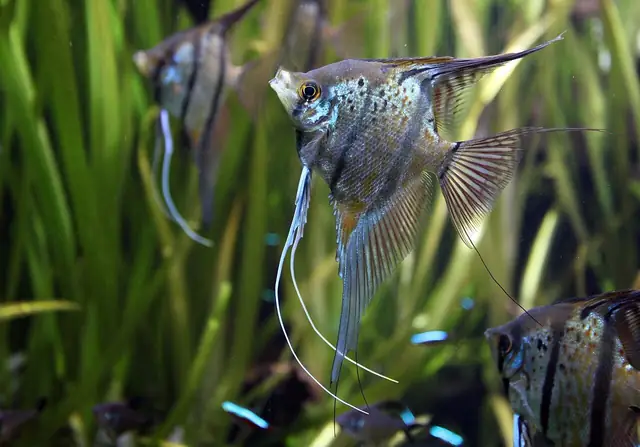
Angelfish
6 in · 29+ gal · 76–84 °F
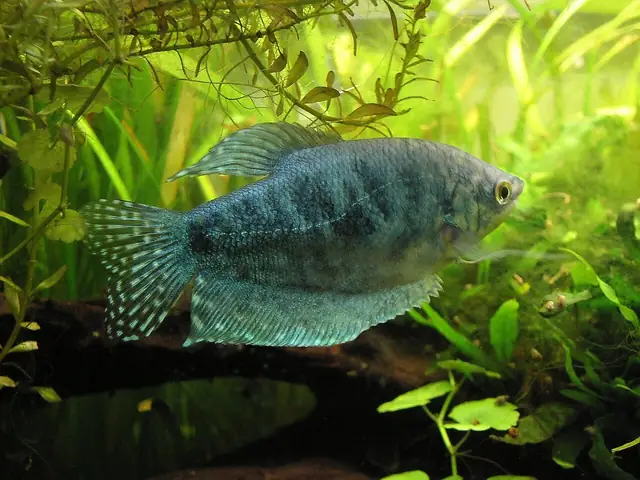
Three-spot (blue) gourami
6 in · 29+ gal · 72–82 °F
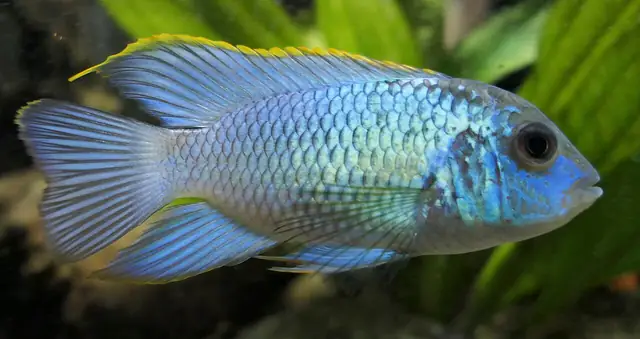
Electric blue acara
6 in · 40+ gal · 72–82 °F
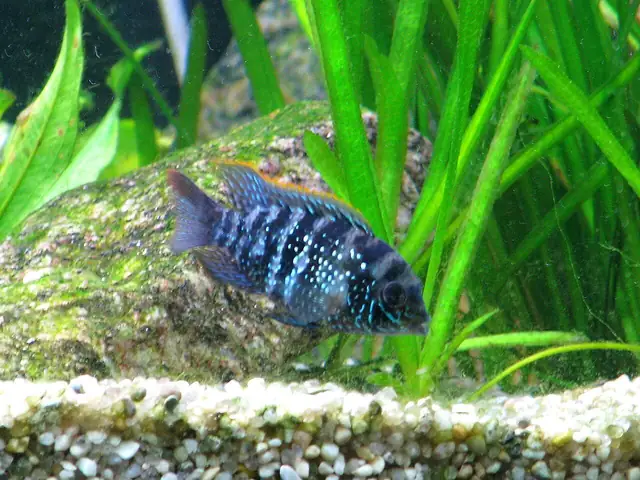
Blue acara
6 in · 40+ gal · 72–82 °F
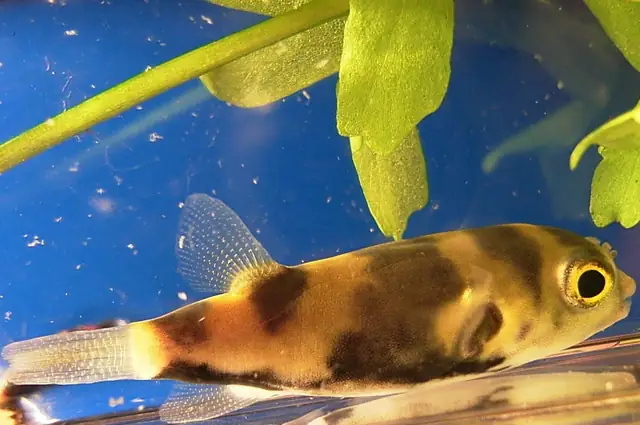
Amazon puffer
5 in · 29+ gal · 74–82 °F
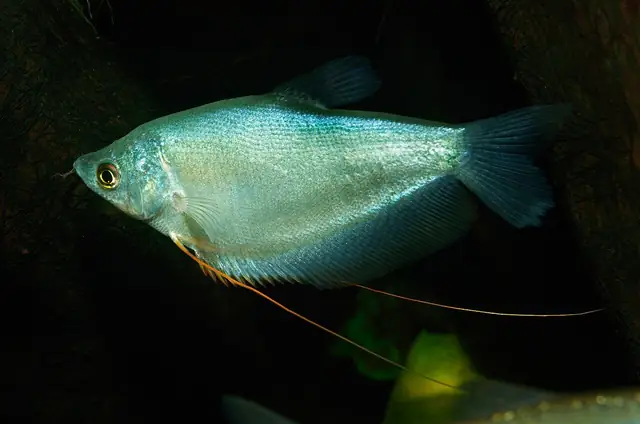
Moonlight gourami
5 in · 30+ gal · 77–84 °F
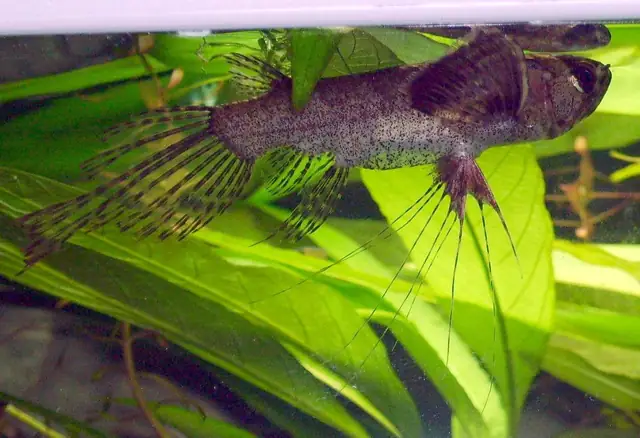
African butterflyfish
5 in · 30+ gal · 73–86 °F
Keep apart
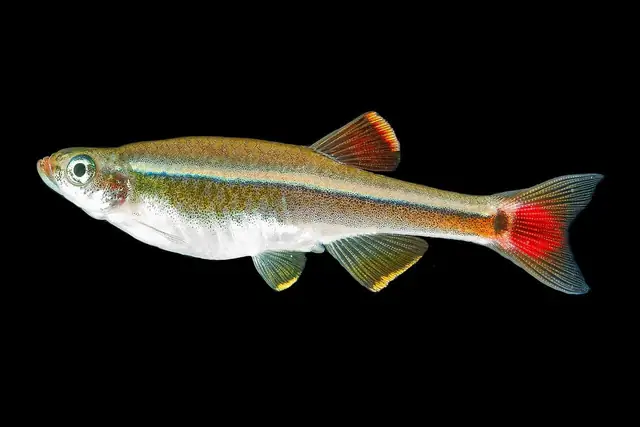 White cloud mountain minnow: No shared temperature: kubotai loaches need 77 to 86 °F, white cloud mountain minnows 64 to 72 °F.
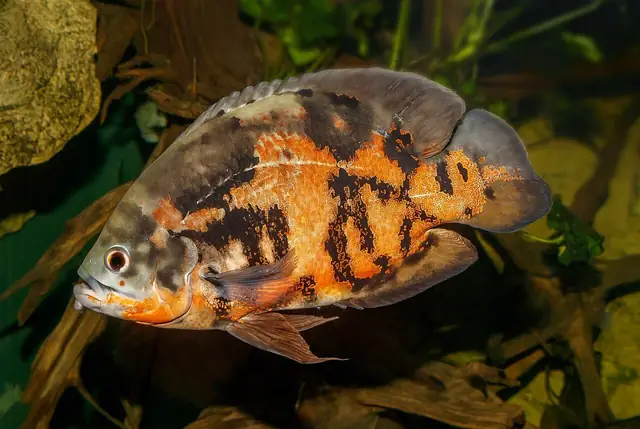 Oscar: Oscars are aggressive towards peaceful fish such as kubotai loaches.
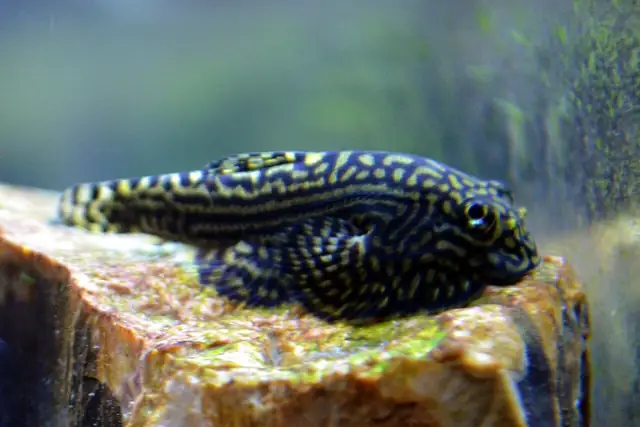 Reticulated hillstream loach: No shared temperature: kubotai loaches need 77 to 86 °F, reticulated hillstream loaches 68 to 75 °F.
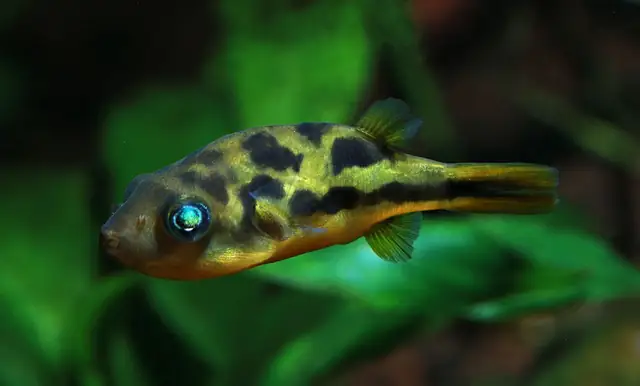 Pea puffer: Pea puffers belong in a tank of their own.
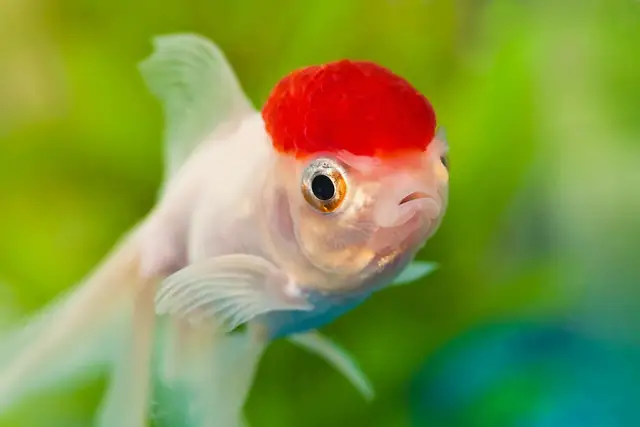 Fancy goldfish: No shared temperature: kubotai loaches need 77 to 86 °F, fancy goldfish 64 to 74 °F.
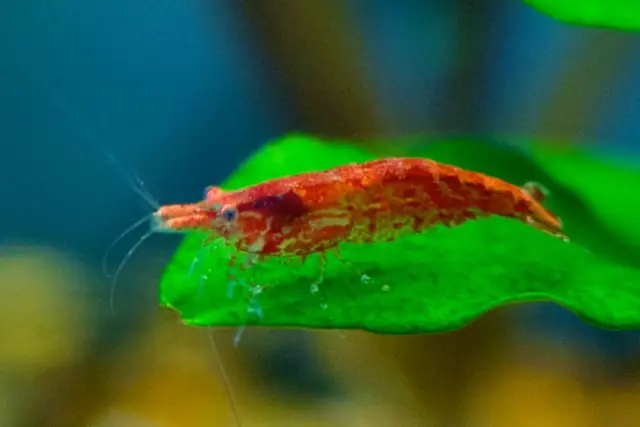 Cherry shrimp: Kubotai loaches eat shrimp.
What a kubotai loach tank needs
A tank of 40 US gallons or more (such as the 40 gallon breeder) with a cover, and the equipment below.
As an Amazon Associate I earn from qualifying purchases.
Fluval U3
Rated by the maker for up to 40 US gal, which covers a 40 gallon kubotai loach tank without being built for a far bigger one.
hygger Hang-on-back Canister Filter 7W
Rated by the maker for 20–40 US gal, which covers a 40 gallon kubotai loach tank without being built for a far bigger one.
hygger Precise Aquarium Heater 200W
Kubotai loaches need 77 to 86 °F; most homes run cooler, so a heater holds the temperature.
API Freshwater Master Test Kit
Tests ammonia, nitrite, nitrate and pH, the readings that matter most before and after adding kubotai loaches.
Seachem Prime 100 mL
Removes chlorine and chloramine from tap water at every water change.
Fluval Edge Thermometer
Shows the water temperature at a glance, so you know it stays within 77 to 86 °F.
More choices, each with the reason it is in or out: Filters for a 40 gallon tank · Heaters for a 40 gallon tank. We don’t list fish food: any good brand of the foods under Diet will do. Plan the whole tank's equipment →
Common kubotai loach problems
- Newly bought fish are often wild-caught and may carry internal parasites: quarantine them and watch for thinning bellies.
- They eat snails and small shrimp, pest snails included.
- Kept singly they hide or turn pushy.
Test the water first whenever fish look unwell: see what your readings mean, then match the symptom. For disease, a vet who treats fish can diagnose it and advise treatment.
More to compare
Sources
Name, origin, adult size and temperature checked against Wikipedia: Botia kubotai. pH, hardness, group size, lifespan and minimum tank size are common hobby guidance, not figures from that article. Ranges are the range the species tolerates; aim for the middle. Minimum tank sizes are for an adult group. Drawings are our own; photo credits follow.
Photo credits
Real photographs from Wikimedia Commons, resized and cropped to fit; each is used under the license named.
- Kubotai loach Lerdsuwa, CC BY-SA 3.0, via Wikimedia Commons
- Angelfish Citron, CC BY-SA 3.0, via Wikimedia Commons
- Three-spot (blue) gourami Peter Jung, CC BY-SA 3.0, via Wikimedia Commons
- Electric blue acara 5snake5, CC0, via Wikimedia Commons
- Blue acara Loïc Tremblay, CC BY-SA 3.0, via Wikimedia Commons
- Amazon puffer O. Schneider, CC BY-SA 3.0, via Wikimedia Commons
- Moonlight gourami H. Zell, CC BY-SA 3.0, via Wikimedia Commons
- African butterflyfish Toniher, CC BY-SA 3.0, via Wikimedia Commons
- White cloud mountain minnow Petrtyl, CC BY 4.0, via Wikimedia Commons
- Oscar H. Zell, CC BY-SA 3.0, via Wikimedia Commons
- Reticulated hillstream loach Spiketooth, CC BY-SA 3.0, via Wikimedia Commons
- Pea puffer Beta Mahatvaraj, CC BY-SA 4.0, via Wikimedia Commons
- Fancy goldfish Benson Kua, CC BY-SA 2.0, via Wikimedia Commons
- Cherry shrimp TheJammingYam, CC BY-SA 3.0, via Wikimedia Commons
- Kuhli loach Iidkk, CC BY-SA 4.0, via Wikimedia Commons
- Clown loach Vlad Butsky, CC BY 2.0, via Wikimedia Commons
- Dwarf chain loach Stefan Maurer, CC BY-SA 2.0, via Wikimedia Commons


