
Oranda care
Carassius auratus · Fancy goldfish bred in East Asia
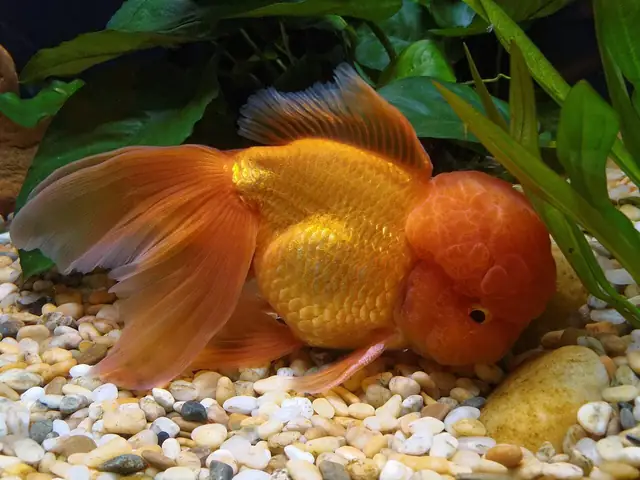
Orandas are fancy goldfish with a raspberry-like hood (the wen) over the head and a split, flowing tail.
- Tank size
- 30 US gal or larger
- Temperature
- 64 to 74 °F (18 to 23 °C)
- Group size
- 2 or more
- Temperament
- Peaceful
- Adult size
- 8 in (including the tail; can reach about 12 in)
- pH
- 7 to 8
- Hardness (GH)
- 6 to 18 dGH
- Lifespan
- 10 to 15 years
- Diet
- Omnivore
- Care level
- Easy
In a 30 gallon
36¼ × 12⅝ × 16¾ in outsideHow to keep orandas
Orandas are fancy goldfish with a raspberry-like hood (the wen) over the head and a split, flowing tail. Keep two or more in a 30 gallon or larger tank at 64 to 74 °F with strong but gentle filtration, and only with other slow fancy goldfish. Thirty gallons for two follows the rule of 20 gallons for the first goldfish and 10 for each one after; more room keeps the water cleaner.
Diet: Omnivore: sinking goldfish pellets, blanched peas and greens, frozen foods. Fish food types compared · how often to feed.
Where they swim: All levels.
Oranda tank mates
Share the temperature and water, and neither side eats, nips or bullies the other. Check the full group in the stocking checker.
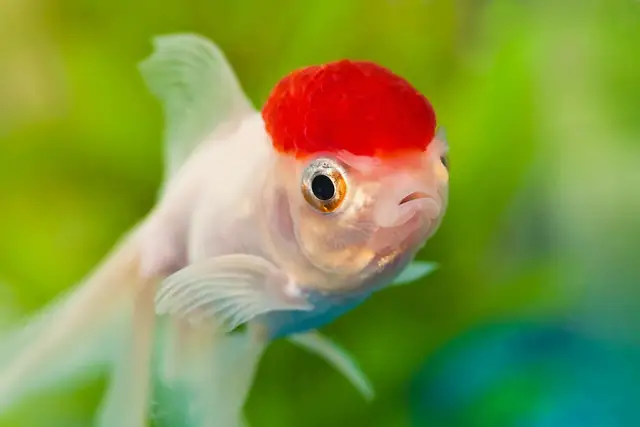
Fancy goldfish
8 in · 20+ gal · 64–74 °F
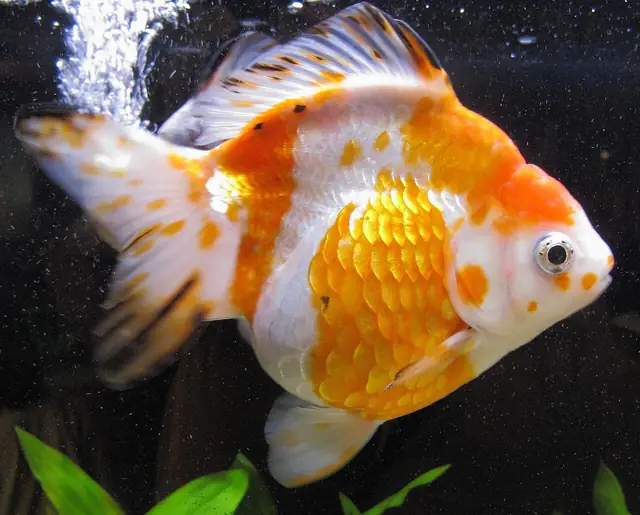
Ryukin
8 in · 30+ gal · 64–74 °F
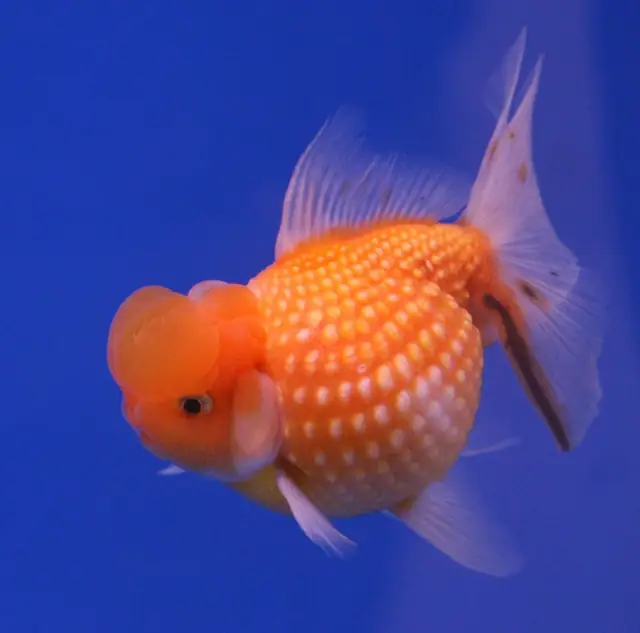
Pearlscale goldfish
8 in · 30+ gal · 65–74 °F
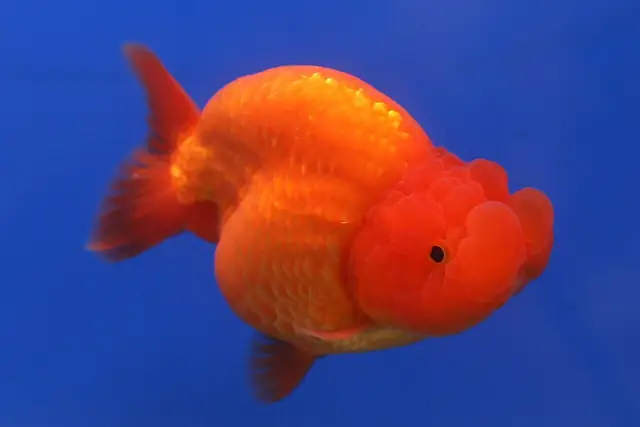
Ranchu goldfish
8 in · 30+ gal · 65–74 °F
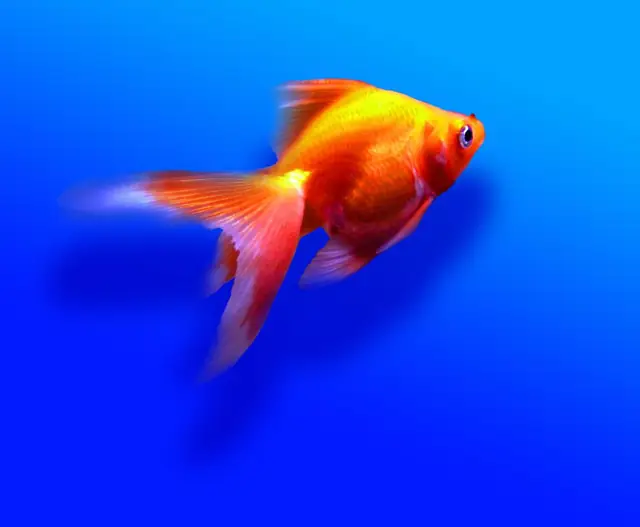
Fantail goldfish
8 in · 30+ gal · 64–74 °F
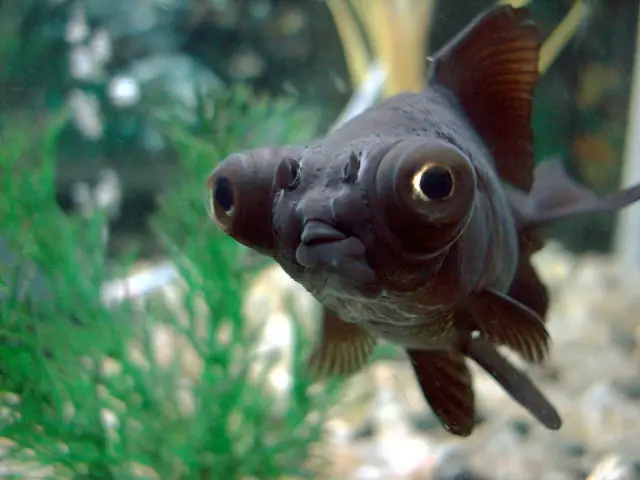
Black moor
6 in · 30+ gal · 64–74 °F
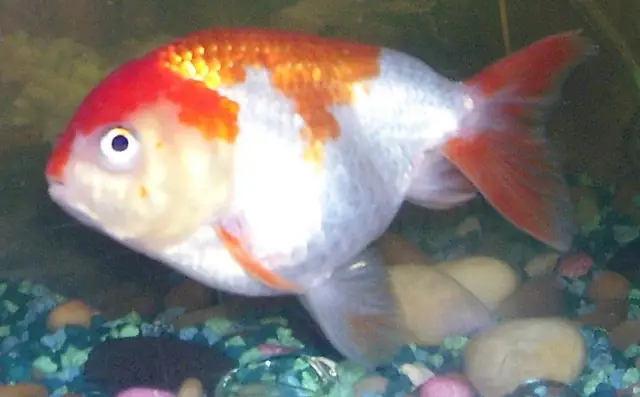
Lionhead goldfish
6 in · 30+ gal · 64–74 °F
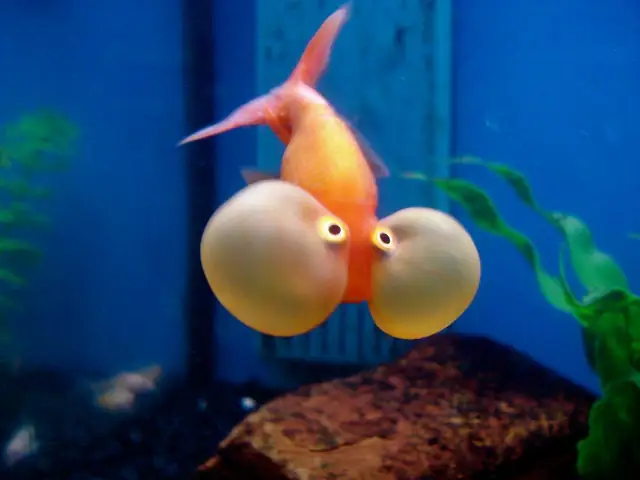
Bubble eye goldfish
4 in · 30+ gal · 65–74 °F
Keep apart
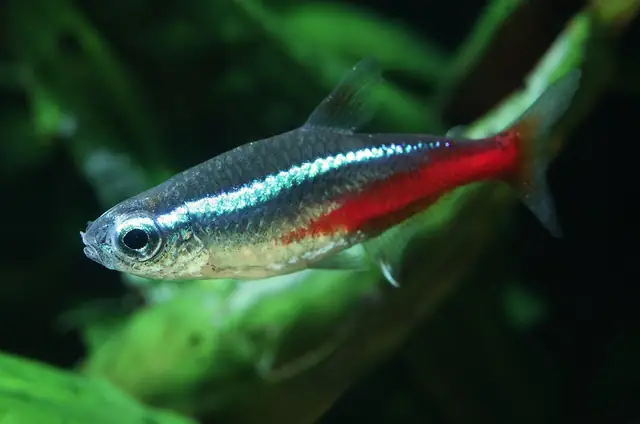 Neon tetra: Adult orandas eat fish under about 2 in; neon tetras grow to 1.6 in.
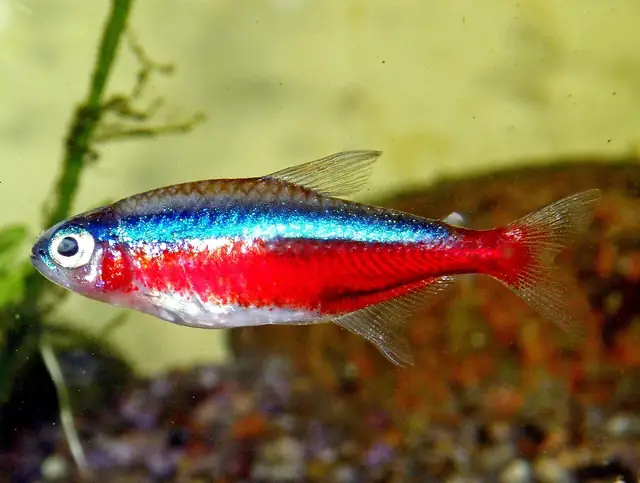 Cardinal tetra: Adult orandas eat fish under about 2 in; cardinal tetras grow to 1.2 in.
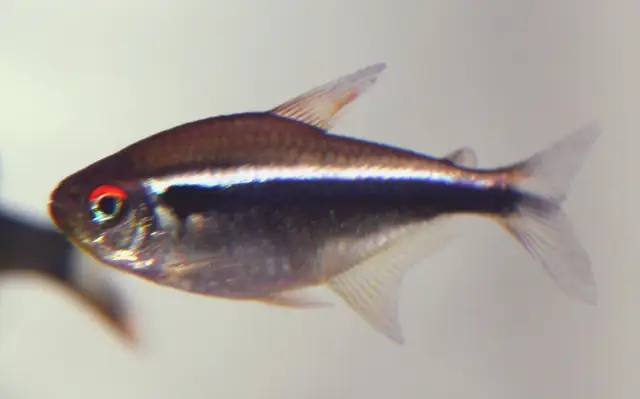 Black neon tetra: Adult orandas eat fish under about 2 in; black neon tetras grow to 1.5 in.
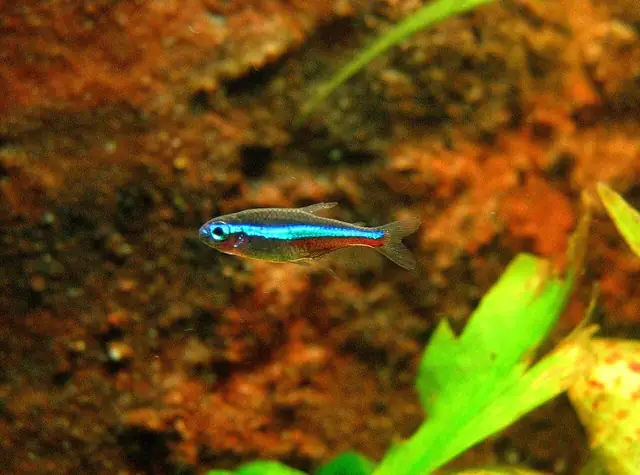 Green neon tetra: Adult orandas eat fish under about 2 in; green neon tetras grow to 1 in.
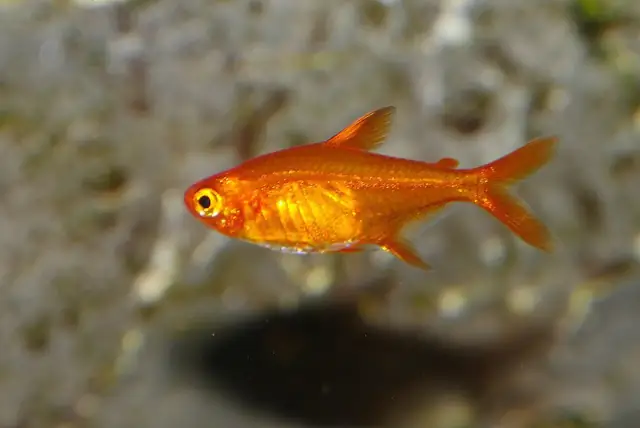 Ember tetra: Adult orandas eat fish under about 2 in; ember tetras grow to 1.2 in.
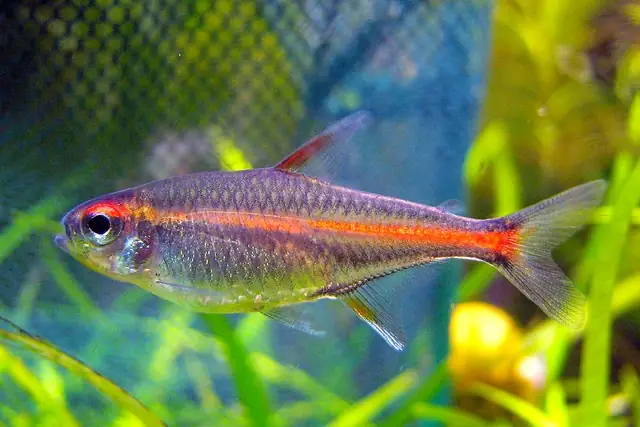 Glowlight tetra: Adult orandas eat fish under about 2 in; glowlight tetras grow to 1.5 in.
What an oranda tank needs
A tank of 30 US gallons or more (such as the 30 gallon) with a cover, and the equipment below. Orandas are comfortable at room temperature, so a heater is optional in a normal home.
As an Amazon Associate I earn from qualifying purchases.
Aqueon PRO QuietFlow Power Filter 20
Rated by the maker for up to 30 US gal, which covers a 30 gallon oranda tank without being built for a far bigger one.
Aqueon QuietFlow Internal Power Filter 15–30 gal
Rated by the maker for 15–30 US gal, which covers a 30 gallon oranda tank without being built for a far bigger one.
API Freshwater Master Test Kit
Tests ammonia, nitrite, nitrate and pH, the readings that matter most before and after adding orandas.
Seachem Prime 100 mL
Removes chlorine and chloramine from tap water at every water change.
Fluval Edge Thermometer
Shows the water temperature at a glance, so you know it stays within 64 to 74 °F.
We don’t list fish food: any good brand of the foods under Diet will do. Plan the whole tank's equipment →
Common oranda problems
- In some fish the hood grows over the eyes; a vet who treats fish can trim it safely.
- Floating upside down or trouble staying level is common in round-bodied goldfish; feed sinking food, keep the water clean, and see a vet if it does not improve.
Test the water first whenever fish look unwell: see what your readings mean, then match the symptom. For disease, a vet who treats fish can diagnose it and advise treatment.
More to compare
Sources
Name, origin and adult size checked against Wikipedia: Carassius auratus. Temperature, pH, hardness, group size, lifespan and minimum tank size are common hobby guidance, not figures from that article. Ranges are the range the species tolerates; aim for the middle. Minimum tank sizes are for an adult group. Drawings are our own; photo credits follow.
Photo credits
Real photographs from Wikimedia Commons, resized and cropped to fit; each is used under the license named.
- Oranda Lawrencekhoo, CC BY-SA 4.0, via Wikimedia Commons
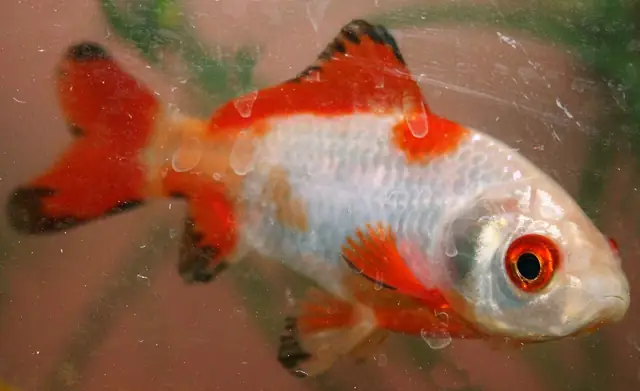
- Fancy goldfish Benson Kua, CC BY-SA 2.0, via Wikimedia Commons
- Ryukin Lawrencekhoo, CC BY-SA 4.0, via Wikimedia Commons
- Pearlscale goldfish Lerdsuwa, CC BY-SA 3.0, via Wikimedia Commons
- Ranchu goldfish Lerdsuwa, CC BY-SA 4.0, via Wikimedia Commons
- Fantail goldfish Pogrebnoj-Alexandroff, CC BY 3.0, via Wikimedia Commons
- Black moor Riyad Youssef, CC BY 2.5, via Wikimedia Commons
- Lionhead goldfish Roderick Santos, CC BY 2.5, via Wikimedia Commons
- Bubble eye goldfish Angie Torres from Toronto, CC BY-SA 2.0, via Wikimedia Commons
- Neon tetra Holger Krisp, CC BY 3.0, via Wikimedia Commons
- Cardinal tetra CHUCAO, CC BY-SA 3.0, via Wikimedia Commons
- Black neon tetra Debivort, CC BY-SA 3.0, via Wikimedia Commons
- Green neon tetra Sascha Biedermann, CC BY-SA 2.5, via Wikimedia Commons
- Ember tetra Klaus Rudloff, CC BY-SA 4.0, via Wikimedia Commons
- Glowlight tetra gonzalovalenzuela; cropped by Kyknos, CC BY 2.0, via Wikimedia Commons
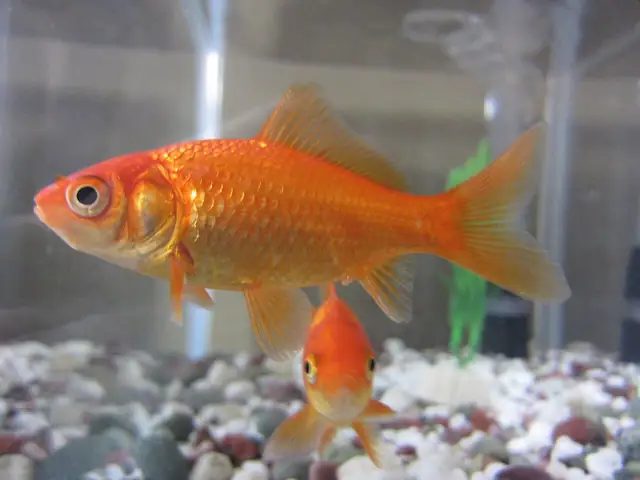
- Common goldfish ぱたごん, CC BY-SA 3.0, via Wikimedia Commons
- Comet goldfish Michelle Jo (Humanfeather), CC BY 3.0, via Wikimedia Commons
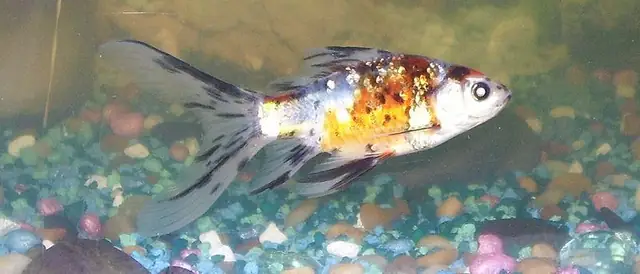
- Shubunkin Rodsan18 at English Wikipedia, CC BY 2.5, via Wikimedia Commons


