
Kenyi cichlid care
Maylandia lombardoi · Rocky shores of Mbenji Island, Lake Malawi
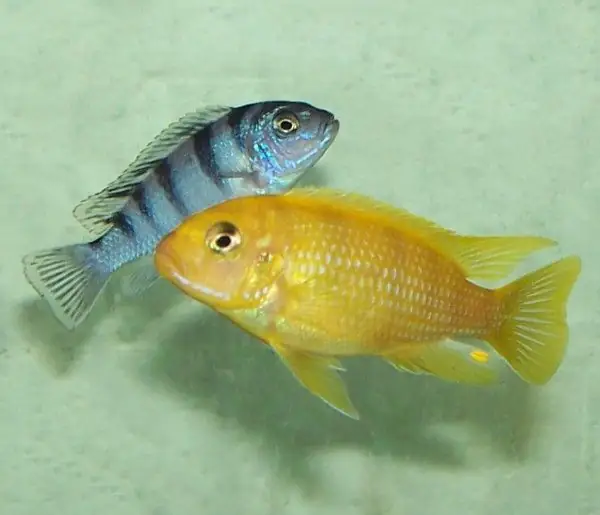
Kenyi are among the most aggressive mbuna, and the sexes look like different fish: females and young are pale blue with dark bars, while adult males turn bright yellow.
- Tank size
- 55 US gal or larger
- Temperature
- 76 to 82 °F (24 to 28 °C)
- Group size
- 4 or more
- Temperament
- Aggressive
- Adult size
- 5 in
- pH
- 7.5 to 8.5
- Hardness (GH)
- 10 to 20 dGH
- Lifespan
- 6 to 10 years
- Diet
- Herbivore
- Care level
- Moderate
In a 55 gallon
48¼ × 12¾ × 21 in outsideHow to keep kenyi cichlids
Kenyi are among the most aggressive mbuna, and the sexes look like different fish: females and young are pale blue with dark bars, while adult males turn bright yellow. Keep one male with several females in a 55 gallon or larger rock-filled tank of hard, alkaline water, only with other robust mbuna.
Diet: Herbivore: spirulina and vegetable-based cichlid foods. Fish food types compared · how often to feed.
Where they swim: Bottom of the tank.
Kenyi cichlid tank mates
Share the temperature and water, and neither side eats, nips or bullies the other. Check the full group in the stocking checker.
Every likely tankmate in our list comes with a caution for kenyi cichlids. These can share a large tank if you watch them closely:
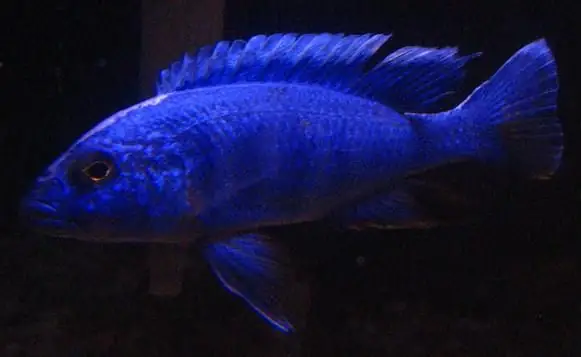 Electric blue hap: Kenyi cichlids are aggressive and may fight with electric blue haps.
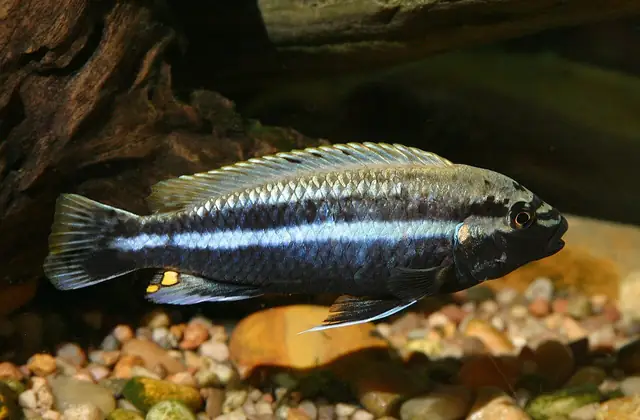 Auratus cichlid: Kenyi cichlids and auratus cichlids are both aggressive and may fight.
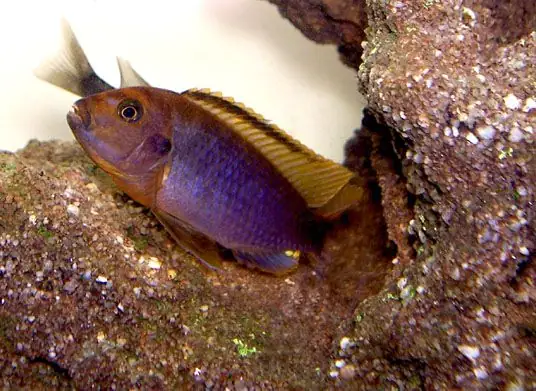 Rusty cichlid: Kenyi cichlids are aggressive and may fight with rusty cichlids.
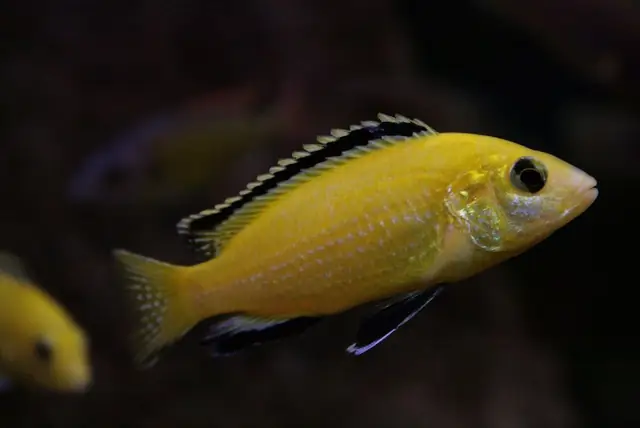 Yellow lab cichlid: Kenyi cichlids are aggressive and may fight with yellow lab cichlids.
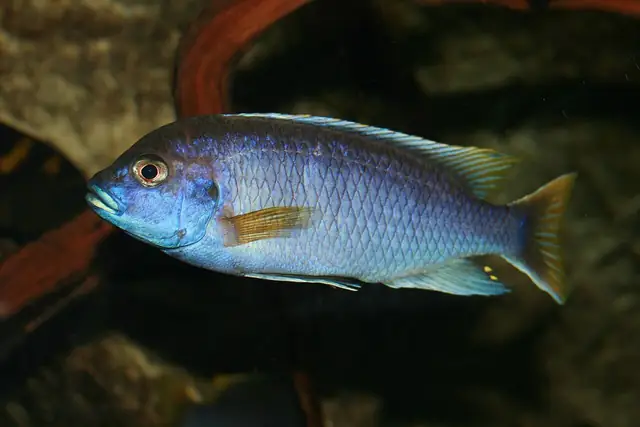 Acei cichlid: Kenyi cichlids are aggressive and may fight with acei cichlids.
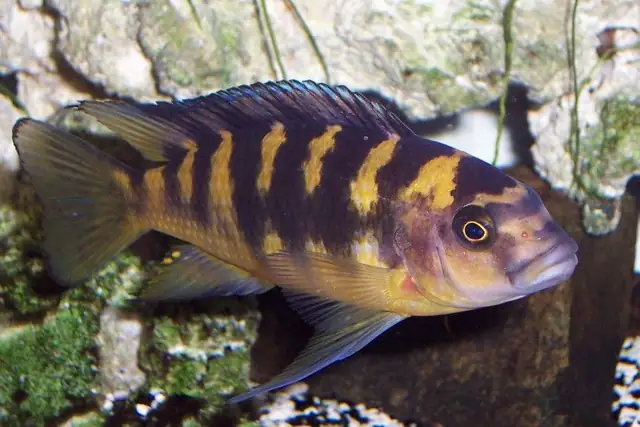 Bumblebee cichlid: Kenyi cichlids and bumblebee cichlids are both aggressive and may fight.
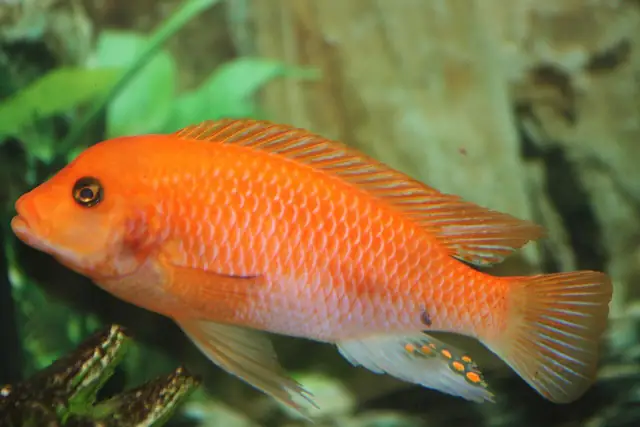 Red zebra cichlid: Kenyi cichlids and red zebra cichlids are both aggressive and may fight.
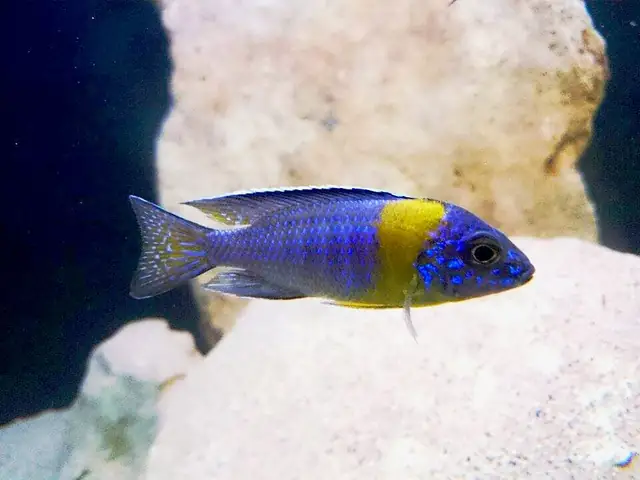 Peacock cichlid: Kenyi cichlids are aggressive and may fight with peacock cichlids.
Keep apart
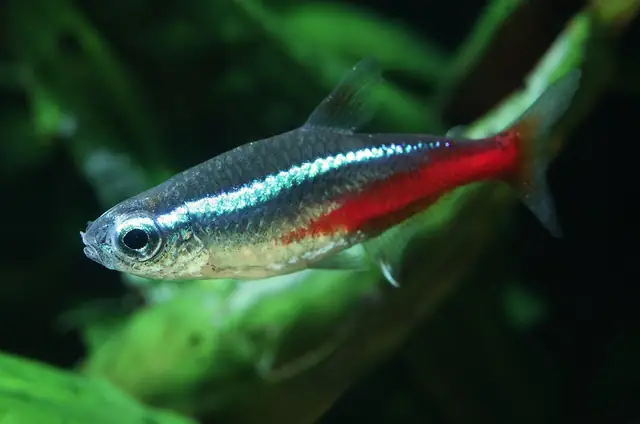 Neon tetra: Kenyi cichlids are aggressive towards peaceful fish such as neon tetras.
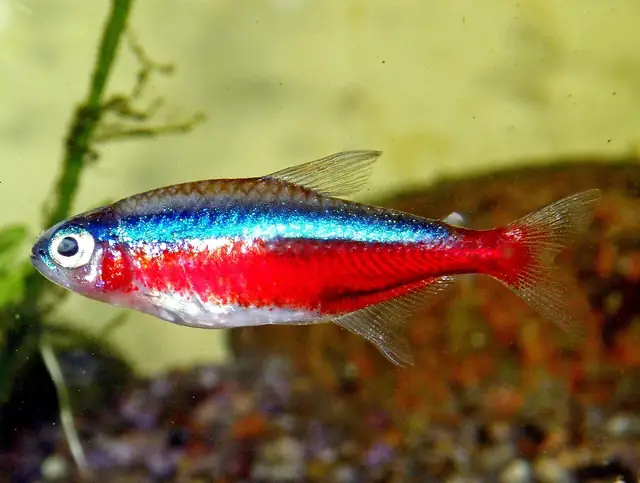 Cardinal tetra: Kenyi cichlids are aggressive towards peaceful fish such as cardinal tetras.
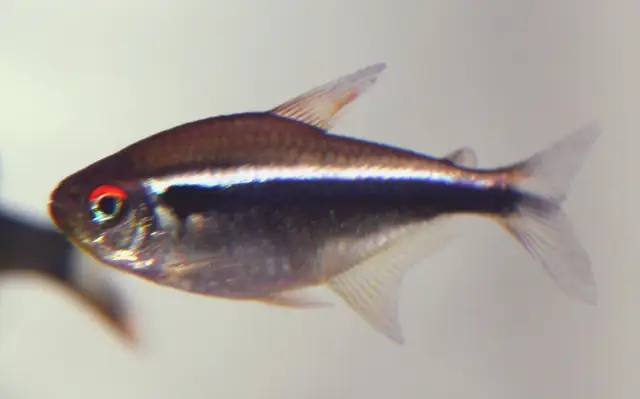 Black neon tetra: Kenyi cichlids are aggressive towards peaceful fish such as black neon tetras.
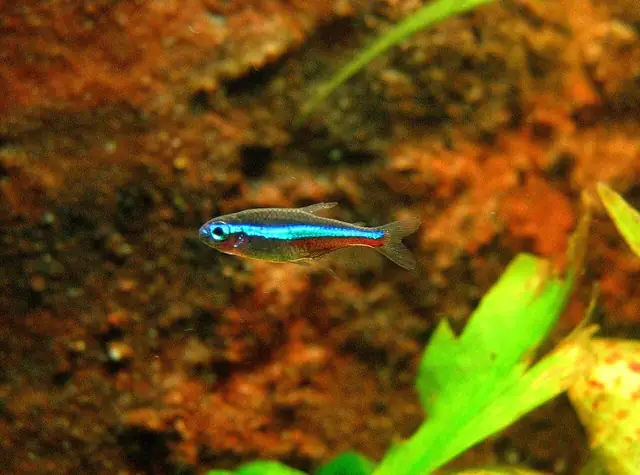 Green neon tetra: Kenyi cichlids are aggressive towards peaceful fish such as green neon tetras.
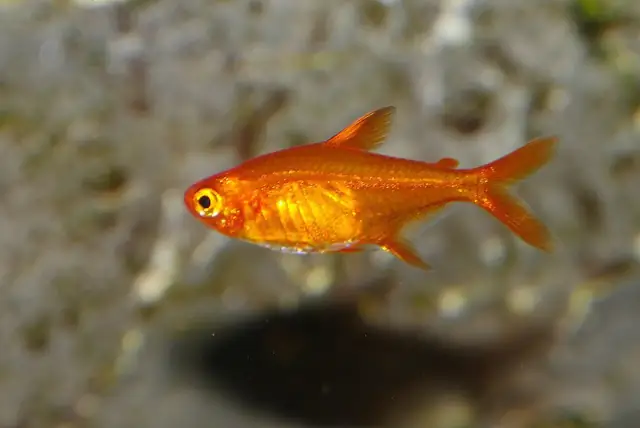 Ember tetra: Kenyi cichlids are aggressive towards peaceful fish such as ember tetras.
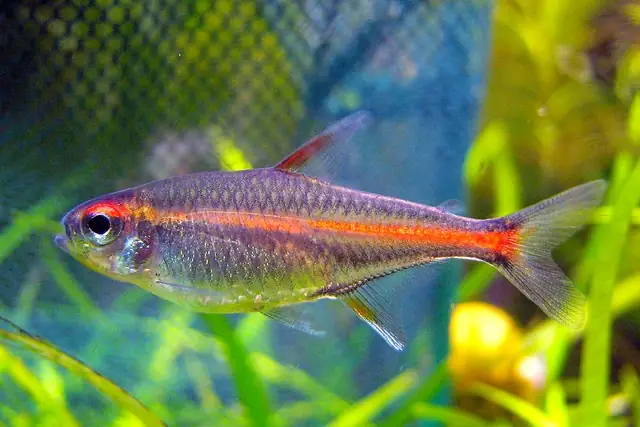 Glowlight tetra: Kenyi cichlids are aggressive towards peaceful fish such as glowlight tetras.
What a kenyi cichlid tank needs
A tank of 55 US gallons or more (such as the 55 gallon) with a cover, and the equipment below.
As an Amazon Associate I earn from qualifying purchases.
Aqueon QuietFlow Canister Filter 200
Rated by the maker for up to 55 US gal, which covers a 55 gallon kenyi cichlid tank without being built for a far bigger one.
Seachem Tidal 55
Rated by the maker for up to 55 US gal, which covers a 55 gallon kenyi cichlid tank without being built for a far bigger one.
Aqueon Pro 150
Kenyi cichlids need 76 to 82 °F; most homes run cooler, so a heater holds the temperature.
API Freshwater Master Test Kit
Tests ammonia, nitrite, nitrate and pH, the readings that matter most before and after adding kenyi cichlids.
Seachem Prime 100 mL
Removes chlorine and chloramine from tap water at every water change.
Fluval Edge Thermometer
Shows the water temperature at a glance, so you know it stays within 76 to 82 °F.
More choices, each with the reason it is in or out: Filters for a 55 gallon tank · Heaters for a 55 gallon tank. We don’t list fish food: any good brand of the foods under Diet will do. Plan the whole tank's equipment →
Common kenyi cichlid problems
- The male hunts down rivals and weaker fish; keep one male, several females and many rock caves.
- Rich, meaty food brings on bloat; feed spirulina or vegetable-based foods.
Test the water first whenever fish look unwell: see what your readings mean, then match the symptom. For disease, a vet who treats fish can diagnose it and advise treatment.
More to compare
Sources
Name, origin and adult size checked against Wikipedia: Maylandia lombardoi. Temperature, pH, hardness, group size, lifespan and minimum tank size are common hobby guidance, not figures from that article. Ranges are the range the species tolerates; aim for the middle. Minimum tank sizes are for an adult group. Drawings are our own; photo credits follow.
Photo credits
Real photographs from Wikimedia Commons, resized and cropped to fit; each is used under the license named.
- Kenyi cichlid Ged (Wikimedia Commons), Public domain, via Wikimedia Commons
- Electric blue hap The Evil Spartan, CC BY-SA 3.0, via Wikimedia Commons
- Auratus cichlid Vlad Butsky from San Jose, CA, USA, CC BY 2.0, via Wikimedia Commons
- Rusty cichlid Gerard Delany, CC BY-SA 2.5, via Wikimedia Commons
- Yellow lab cichlid Julian Matz, CC BY-SA 3.0, via Wikimedia Commons
- Acei cichlid Toby Hudson, CC BY-SA 3.0, via Wikimedia Commons
- Bumblebee cichlid Nicolas COUTHOUIS, CC BY-SA 2.5, via Wikimedia Commons
- Red zebra cichlid Maha Dinesh, CC BY-SA 3.0, via Wikimedia Commons
- Peacock cichlid Xav84800, CC BY-SA 4.0, via Wikimedia Commons
- Neon tetra Holger Krisp, CC BY 3.0, via Wikimedia Commons
- Cardinal tetra CHUCAO, CC BY-SA 3.0, via Wikimedia Commons
- Black neon tetra Debivort, CC BY-SA 3.0, via Wikimedia Commons
- Green neon tetra Sascha Biedermann, CC BY-SA 2.5, via Wikimedia Commons
- Ember tetra Klaus Rudloff, CC BY-SA 4.0, via Wikimedia Commons
- Glowlight tetra gonzalovalenzuela; cropped by Kyknos, CC BY 2.0, via Wikimedia Commons


