
Otocinclus care
Otocinclus vittatus · Rivers of South America
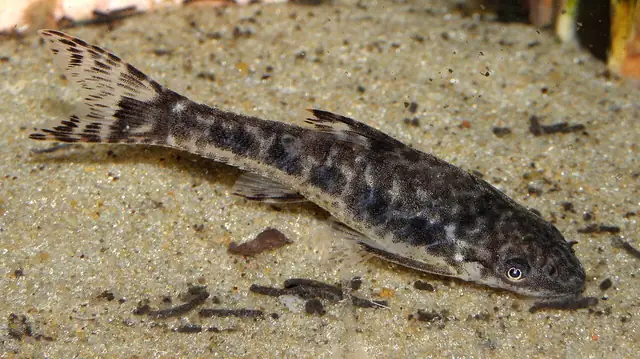
Otocinclus are small algae grazers that need a mature, planted 20 gallon or larger tank with soft algae and biofilm to graze, and a group of six or more.
- Tank size
- 20 US gal or larger
- Temperature
- 72 to 79 °F (22 to 26 °C)
- Group size
- 6 or more
- Temperament
- Peaceful
- Adult size
- 2 in
- pH
- 6 to 7.5
- Hardness (GH)
- 2 to 12 dGH
- Lifespan
- 3 to 5 years
- Diet
- Algae grazer
- Care level
- Moderate
In a 20 gallon long
30¼ × 12½ × 12¾ in outsideHow to keep otocinclus
Otocinclus are small algae grazers that need a mature, planted 20 gallon or larger tank with soft algae and biofilm to graze, and a group of six or more. Many arrive thin; feed algae wafers and blanched vegetables until they fill out.
Diet: Algae grazer: soft algae and biofilm, algae wafers, blanched zucchini. Fish food types compared · how often to feed.
Where they swim: Bottom of the tank.
Otocinclus tank mates
Share the temperature and water, and neither side eats, nips or bullies the other. Check the full group in the stocking checker.
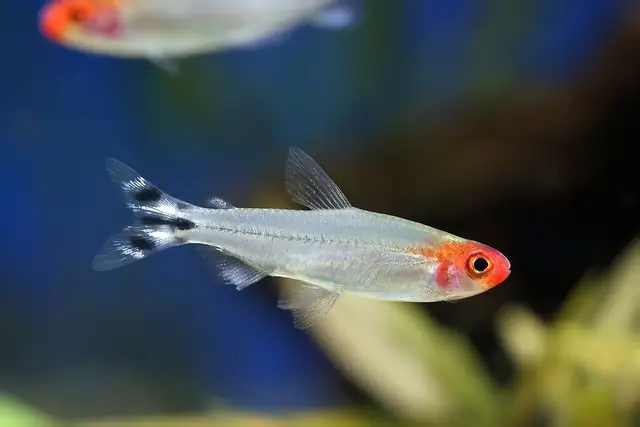
Rummy-nose tetra
2 in · 20+ gal · 75–82 °F
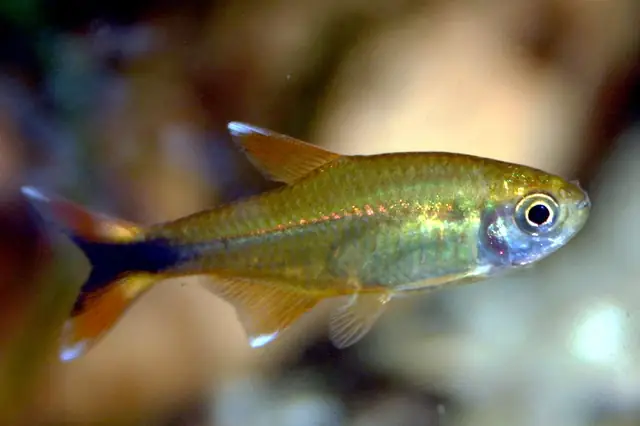
Silvertip tetra
2 in · 20+ gal · 72–82 °F
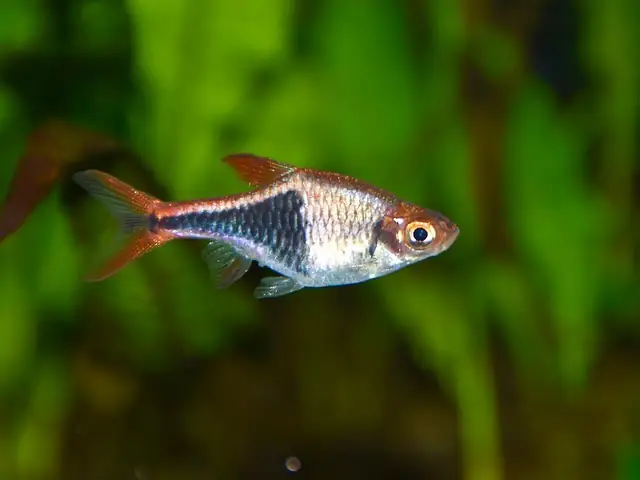
Harlequin rasbora
2 in · 10+ gal · 72–81 °F
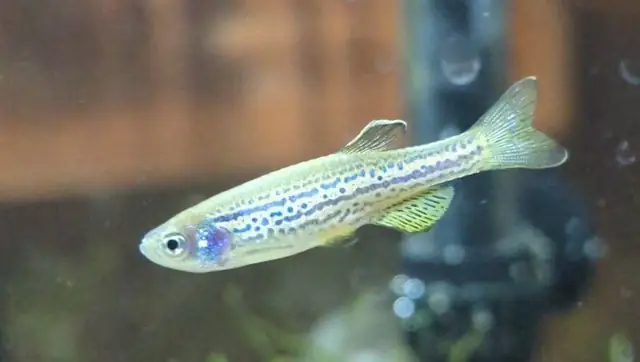
Zebra danio
2 in · 10+ gal · 64–77 °F
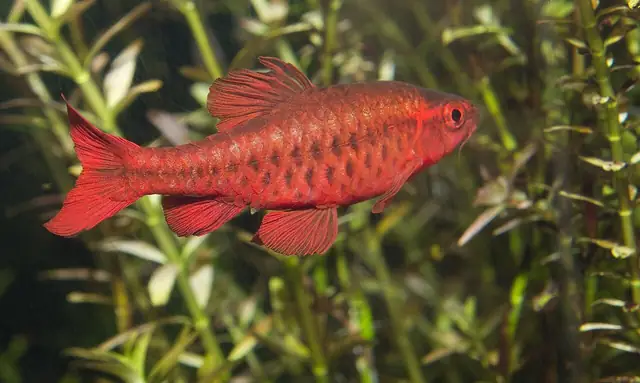
Cherry barb
2 in · 20+ gal · 73–81 °F
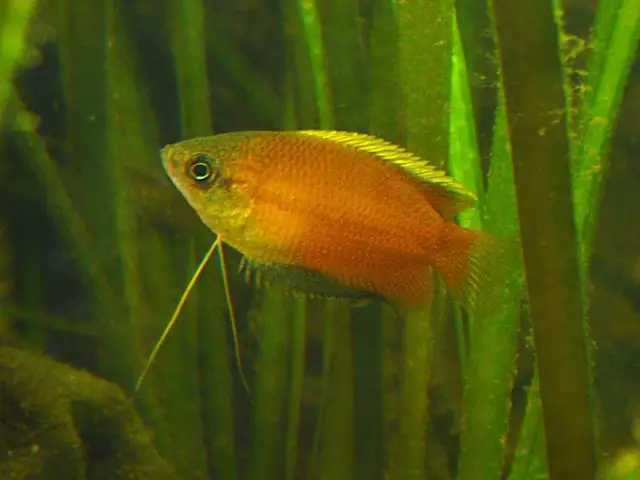
Honey gourami
2 in · 10+ gal · 72–82 °F
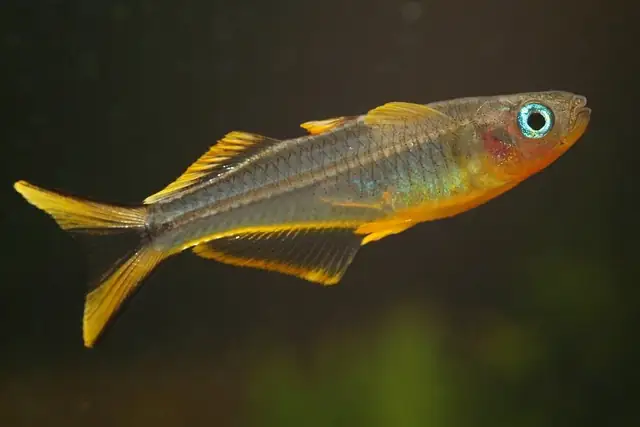
Forktail blue-eye rainbowfish
2 in · 10+ gal · 72–80 °F
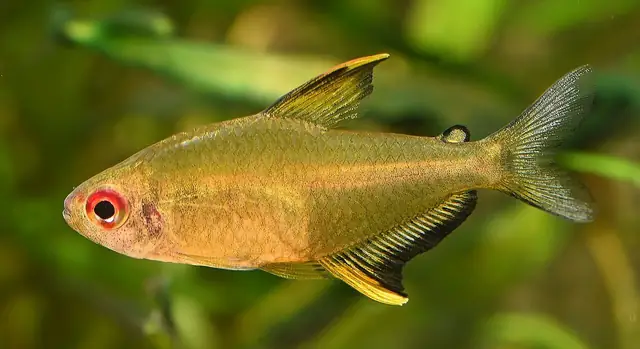
Lemon tetra
2 in · 20+ gal · 72–82 °F
Keep apart
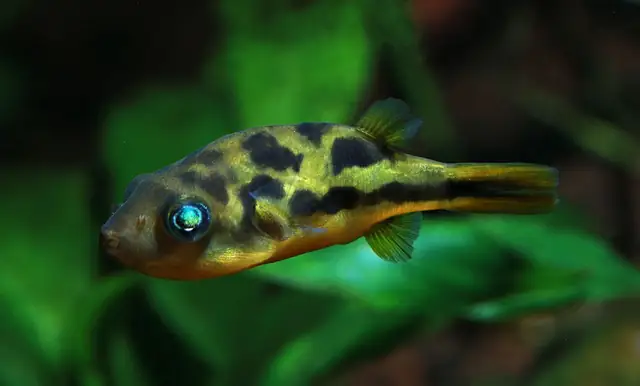 Pea puffer: Pea puffers belong in a tank of their own.
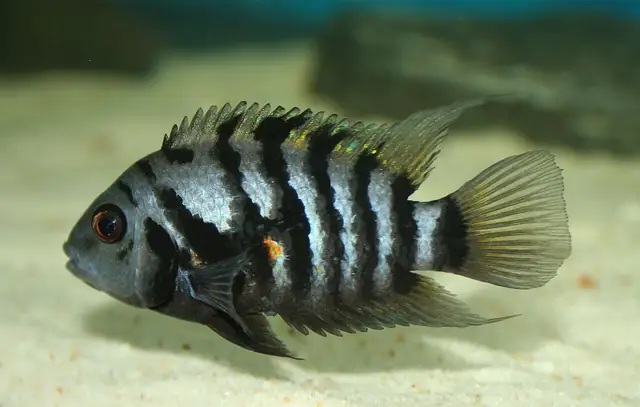 Convict cichlid: Convict cichlids are aggressive towards peaceful fish such as otocinclus.
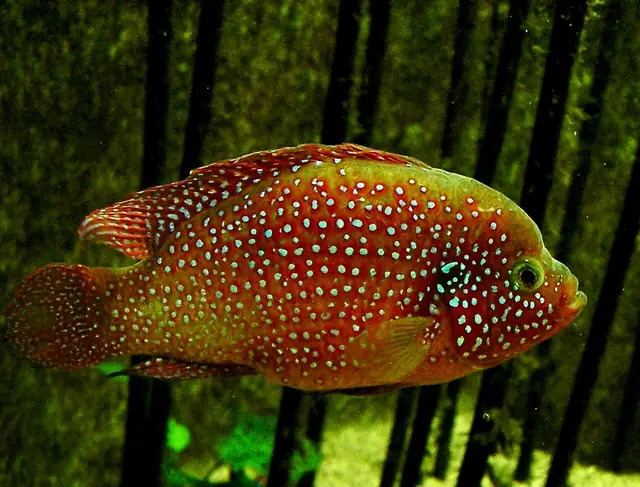 Jewel cichlid: Jewel cichlids are aggressive towards peaceful fish such as otocinclus.
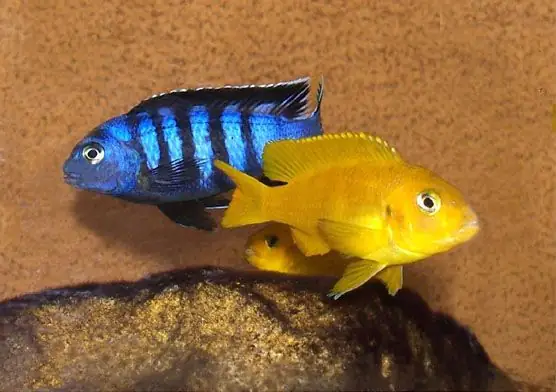 Saulosi cichlid: Saulosi cichlids belong with other Lake Malawi cichlids, not with otocinclus.
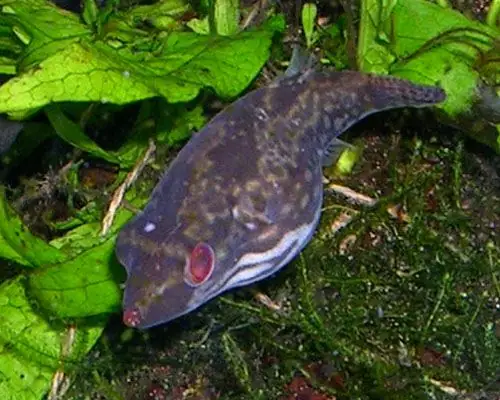 Red-tail dwarf puffer: Red-tail dwarf puffers belong in a tank of their own.
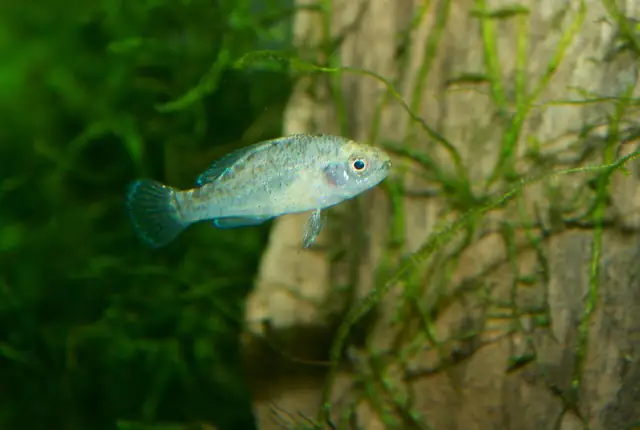 Everglades pygmy sunfish: Everglades pygmy sunfish belong in a tank of their own.
What an otocinclus tank needs
A tank of 20 US gallons or more (such as the 20 gallon long) with a cover, and the equipment below.
As an Amazon Associate I earn from qualifying purchases.
Aquarium Co-Op Easy Flow Sponge Filter, Small
A sponge filter gives gentle flow and cannot pull in small fish. It runs from an air pump, with airline tubing and a check valve, all sold separately.
Aqueon PRO QuietFlow Power Filter 10
Rated by the maker for up to 20 US gal, which covers a 20 gallon otocinclus tank without being built for a far bigger one.
Aqueon QuietFlow Internal Power Filter 15–30 gal
Rated by the maker for 15–30 US gal, which covers a 20 gallon otocinclus tank without being built for a far bigger one.
hygger Precise Aquarium Heater 100W
Otocinclus need 72 to 79 °F; most homes run cooler, so a heater holds the temperature.
API Freshwater Master Test Kit
Tests ammonia, nitrite, nitrate and pH, the readings that matter most before and after adding otocinclus.
Seachem Prime 100 mL
Removes chlorine and chloramine from tap water at every water change.
Fluval Edge Thermometer
Shows the water temperature at a glance, so you know it stays within 72 to 79 °F.
More choices, each with the reason it is in or out: Filters for a 20 gallon tank · Heaters for a 20 gallon tank. We don’t list fish food: any good brand of the foods under Diet will do. Plan the whole tank's equipment →
Common otocinclus problems
- Starvation in clean or new tanks is the commonest loss; add them to tanks months old with visible algae.
- Sensitive to nitrate and medications.
Test the water first whenever fish look unwell: see what your readings mean, then match the symptom. For disease, a vet who treats fish can diagnose it and advise treatment.
More to compare
Sources
Name, origin and adult size checked against Wikipedia: Otocinclus vittatus. Temperature, pH, hardness, group size, lifespan and minimum tank size are common hobby guidance, not figures from that article. Ranges are the range the species tolerates; aim for the middle. Minimum tank sizes are for an adult group. Drawings are our own; photo credits follow.
Photo credits
Real photographs from Wikimedia Commons, resized and cropped to fit; each is used under the license named.
- Otocinclus CHUCAO, CC BY-SA 3.0, via Wikimedia Commons
- Rummy-nose tetra PierangeloGatto, CC BY-SA 4.0, via Wikimedia Commons
- Silvertip tetra Filtropat; cropped by Kyknos, CC BY-SA 3.0, via Wikimedia Commons
- Harlequin rasbora NasserHalaweh, CC BY-SA 4.0, via Wikimedia Commons
- Zebra danio Roundish, CC0, via Wikimedia Commons
- Cherry barb Brian Gratwicke, CC BY 2.0, via Wikimedia Commons
- Honey gourami Antoon Dommerholt (Dutch Wikipedia), CC BY-SA 3.0, via Wikimedia Commons
- Forktail blue-eye rainbowfish Dirk Godlinski, CC BY-SA 3.0, via Wikimedia Commons
- Lemon tetra SOK, CC BY-SA 4.0, via Wikimedia Commons
- Pea puffer Beta Mahatvaraj, CC BY-SA 4.0, via Wikimedia Commons
- Convict cichlid S. Olkowicz, CC BY 2.5, via Wikimedia Commons
- Jewel cichlid NasserHalaweh, CC BY-SA 4.0, via Wikimedia Commons
- Saulosi cichlid Gerard Delany, CC BY-SA 2.5, via Wikimedia Commons
- Red-tail dwarf puffer Neale Monks (English Wikipedia), CC BY-SA 3.0, via Wikimedia Commons
- Everglades pygmy sunfish Brian Gratwicke, CC BY 2.0, via Wikimedia Commons
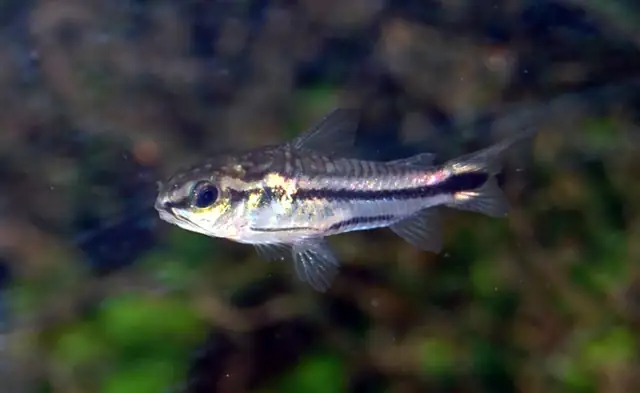
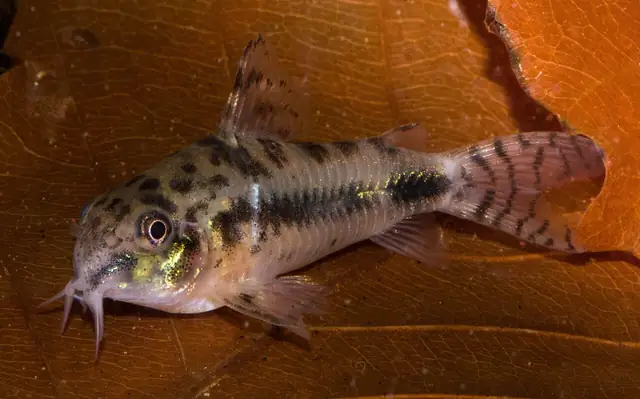
- Pygmy corydoras Birger A, CC BY-SA 3.0, via Wikimedia Commons
- Salt-and-pepper corydoras D.W., CC0, via Wikimedia Commons
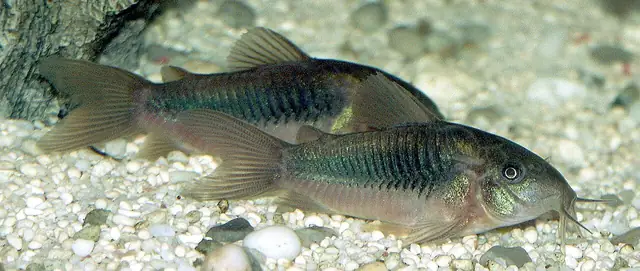
- Bronze corydoras Quatermass (English Wikipedia), Public domain, via Wikimedia Commons
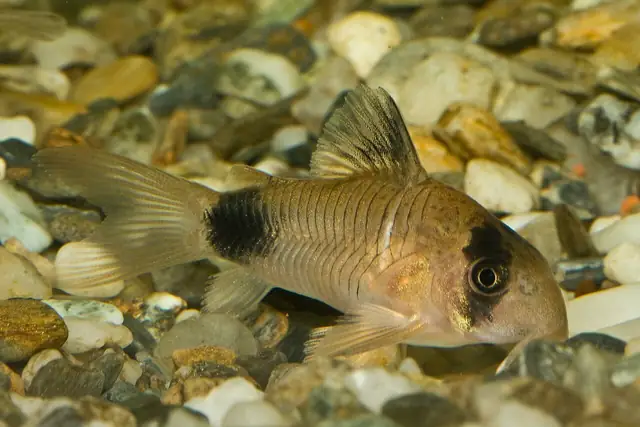
- Panda corydoras Chronotopian, CC BY-SA 3.0, via Wikimedia Commons


